Score: score unavailable
Участник
Участник
0.000.00
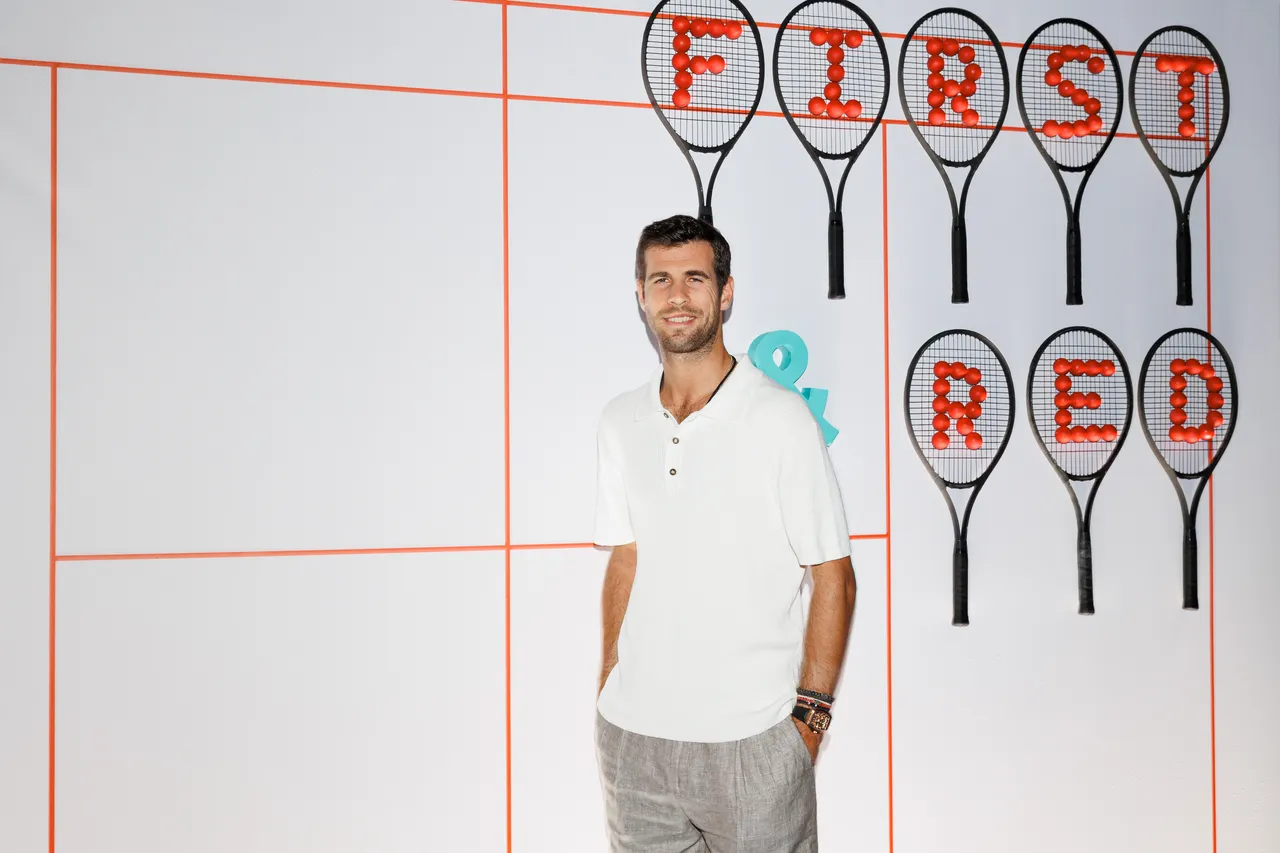
Short conversation with First&Red ambassador in Paris.
Our team met with First&Red ambassador Karen Khachanov at the second major of the season. We spoke with the player about his expectations for Roland Garros, young tennis talents and the nicest guys on tour.
— You have reached the quarter-finals here twice. What is the minimum bar this year?
— The bar? Every time, you want to go as far as possible. I wouldn’t name any specific round. I always try to motivate myself to the maximum, but without setting some intermediate checkpoints. It doesn’t matter that much whether it’s the fourth round or the quarter-finals. Of course, you always want to surpass your previous achievements.
— On one of the recent Zoom calls with Anya [the interview with Chakvetadze before the tournament — First&Red], you said the French are rather strange guys. Who, on the contrary, is the nicest person in the locker room?
— I wasn’t talking about all French people, of course, only some of them. But if we take the guys who are genuinely pleasant, the ones I talk to, Monfils has always been one of them — and he is French, actually. Dimitrov too. We’ve always had a good relationship as well. Alcaraz is always friendly, always asks how you’re doing; you can joke with him, chat with him.
— At 24, Sinner has completed the Golden Masters, becoming the first to do it after Djokovic. Can he already be placed alongside the great trio?
— I would say no. What he has achieved so far is absolutely top-level, of course. Obviously, he deserves to be mentioned among the potential contenders to break certain records in the future. But Novak has 24 Slams, and even despite the Golden Masters… Well, how many weeks was Novak at No. 1? How many titles has he won overall? I think it’s too early to put Jannik on the same line as the Big 3. But the fact that he is moving along that path — that is 100%.
— Right now he is the main favourite at Roland Garros, leaving Alcaraz’s injury aside. Why is Jannik so difficult to beat?
— I would probably say that everything is well developed as a whole — he has built his game so much… I remember when he was younger, we played, and he showed attacking tennis, but he made more mistakes. Then at some point he started, roughly speaking, hitting even harder, but making slightly fewer errors. He began adding more variety to his game, slicing more, using drop shots more. He has improved physically too, and when you look at him, he is like a robot that has been given a task: win. And he goes out to win. Everything lands where it should, everything is precise. Mentally too, it’s unbelievable; he holds himself together without any real dips. That commands huge respect and admiration.
— And who else among the young players? Let’s leave Alcaraz aside again. Who do you like and why? It can be brief: the player and one quality.
— I would say Fils. He is a genuinely cool guy; we have a good relationship. He has that kind of energy too. You can see the charisma, he knows how to get people going. Overall, if I had to pick someone, he is very spectacular and energetic.
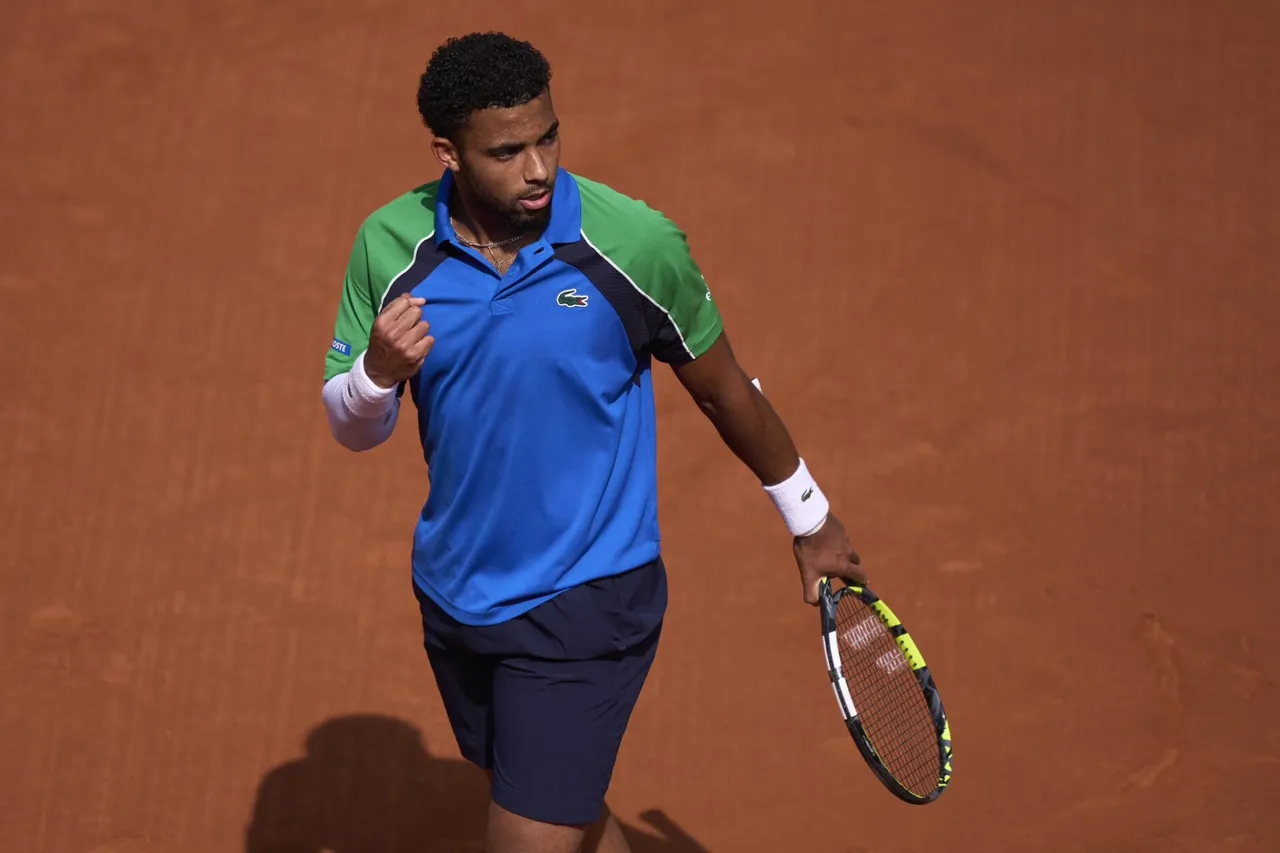
— And Rafa Jodar?
— He is also very pleasant, a very well-mannered guy. That probably comes from his education and upbringing with his father. He is just very quiet for now. He plays spectacular tennis, but he is more like Sinner in that sense: he works with maximum focus, does his job, progresses. It will be interesting to see how his game develops over the years.
— And one final question. What do you make of the Roland Garros draw overall? How do you see your possible path?
— Over the years, I’ve started trying not to think about it too much, not to overthink it. You see your opponent, you prepare for him, then you play. Like with Sinner: you have a task, and you try to show your maximum on that specific day. Then you look at the result. But probably, more than anything, you try to stay in the process, stay in the moment and, in principle, enjoy the game. We often forget that tennis is not only our job, but also a game, something you should enjoy. I always dreamed of becoming a professional tennis player and enjoying it. But sometimes enjoyment moves into the background and the result comes to the front. That creates an imbalance: if there is no result, it starts to press on you. So I try not to get fixated on the draw, but to build my game around the specific opponent. You see him, tune in, play, move on. Won? Great. Lost? You draw conclusions and move forward.