Score: score unavailable
Участник
Участник
0.000.00
A really talented person is talented all around.
Torben Ulrich lived his life as though he had decided from the very beginning that choosing just one thing would be far too limiting. Tennis player, jazz musician, writer, painter, filmmaker, radio host, philosopher, and father of Metallica drummer Lars Ulrich — all of these identities coexisted inside his biography without ever seeming to contradict one another. And perhaps that is exactly why Torben remains one of the strangest and most singular figures in tennis history. He was the kind of man who could play Wimbledon one week and disappear the next into conversations about avant-garde jazz or experimental cinema. In an era when athletes were expected to become as understandable and streamlined as possible, Ulrich almost seemed determined to remain a man without an instruction manual.
Torben was born in Copenhagen in 1928 into a family where tennis was already woven into the DNA. His father, Einer Ulrich, had also played at a high level and was considered one of Denmark’s best players. But while tennis became a profession for most athletes, for Torben it quickly evolved into something broader — a way of existing. He was never the kind of sportsman who lived exclusively for victory. What fascinated him was movement itself: tournaments, cities, conversations, chance encounters, the feeling of constantly being on the road.
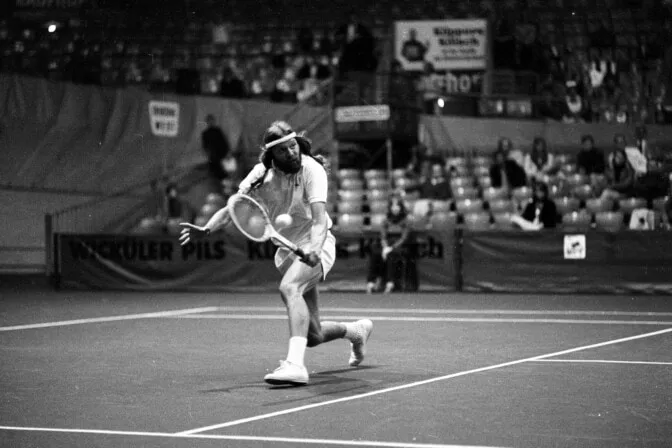
And yet Ulrich was genuinely good. Not merely an eccentric remembered for his image, but a world-class tennis player. He competed at Grand Slam tournaments for nearly two decades, reached the fourth round of both the US Open and Roland Garros, represented Denmark in the Davis Cup, and remained competitive well into his forties. He even set a record that still feels slightly surreal: becoming the oldest player ever to appear in a Davis Cup match when he stepped on court at 45 years old. In the tennis of the 1960s and 70s, that seemed almost extraterrestrial.
But statistics alone do a poor job explaining who Torben Ulrich really was. The tennis world remembers him not only because of results, but because of the way he existed around the game. Tall, thin, with long hair and a beard, he looked less like a professional athlete and more like a character from an arthouse film or a jazz musician who had somehow wandered into an ATP event by accident. Tennis.com once described him as one of the most vivid and original personalities in the history of sport — and that hardly feels exaggerated. Ulrich was the kind of man who arrived at tournaments carrying rackets, books, musical ideas and Zen conversations all at once.
People especially loved him during the era before tennis fully transformed into a perfectly polished global business. Torben seemed to embody the old tour — slightly bohemian, free-spirited and chaotic. He wrote essays about sport, culture and consciousness, immersed himself in improvised music, released books and records. And these were not the half-serious hobbies of a retired athlete. He genuinely lived inside that artistic world. At one point Ulrich became a recognizable figure within the Scandinavian avant-garde scene, collaborating with jazz musicians as naturally as he once played tournaments.
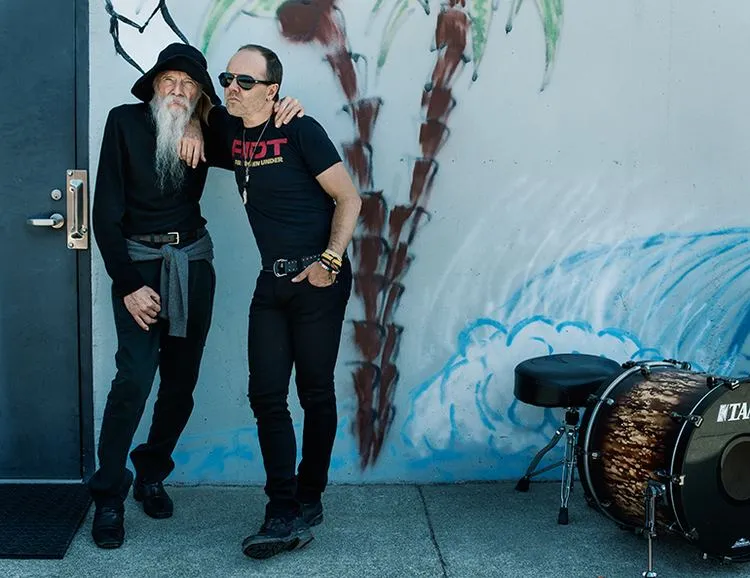
It was inside that atmosphere that Lars Ulrich grew up.
The story of Metallica is usually told through thrash metal, garages, riffs and American rock mythology. But Lars’ roots are deeply European — and deeply Torben-esque. In interviews, the Metallica drummer repeatedly said that his father taught him to approach art freely and never fear looking strange. Music constantly played inside the Ulrich household. Books, sport, films and ideas were endlessly discussed. Torben took his son to Deep Purple concerts and raised him far more like an artist than a future athlete.
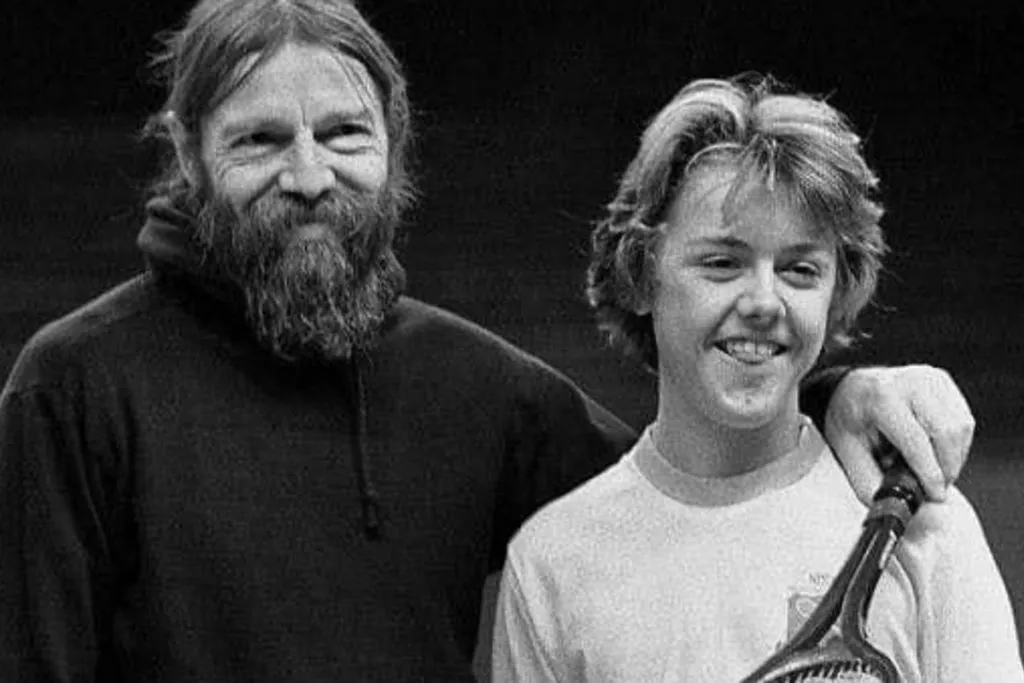
And yet Torben himself initially wanted Lars to become a tennis player. Which made perfect sense: in Denmark, the Ulrich surname was associated first and foremost with tennis. Lars trained seriously, traveled to junior tournaments and for a while was even considered a promising prospect. Then music happened — and the world got Metallica instead of another Danish tennis player.
The fascinating part is that Torben seemed to accept it rather quickly. Because he understood that the important thing was never the profession itself, but the existence of genuine passion. In some ways Lars inherited not tennis from his father, but a worldview. The same energy. The same love of freedom. The same willingness to move toward what feels interesting rather than merely correct.
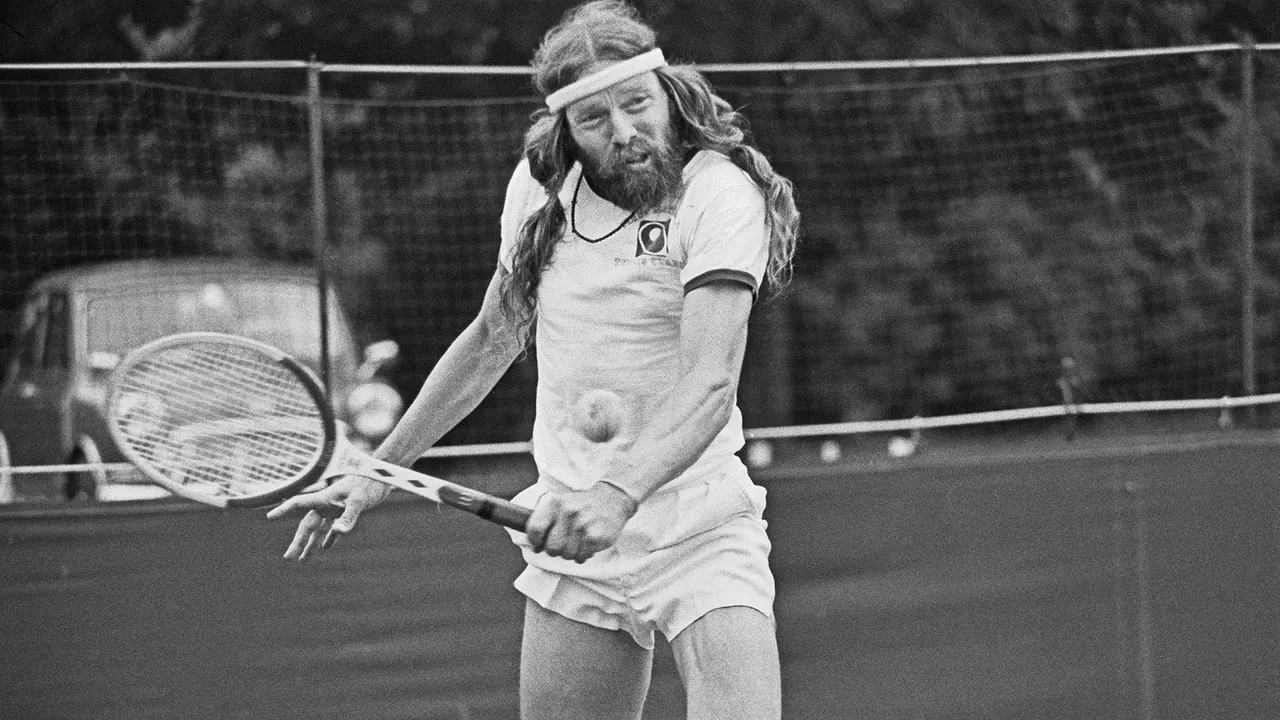
Torben Ulrich fits surprisingly well into today’s understanding of the word “cult figure.” Not a megastar. Not a Grand Slam champion. Not a media giant. But someone who always carried a certain light around him. People loved him not for trophies, but for the personality itself — for the ability to remain completely himself in any environment.
When Torben died in 2023 at the age of 95, the tennis world remembered far more than his matches. People remembered conversations, atmosphere, the feeling of freedom he carried with him wherever he went. Because Ulrich belonged to a rare type of athlete: he never separated sport from life itself. For him, tennis never ended at the court lines. It was simply one part of a long, strange and remarkably beautiful journey that lasted almost an entire century.