Score: score unavailable
Участник
Участник
0.000.00
Stan the Man speaks to Anna Chakvetadze.
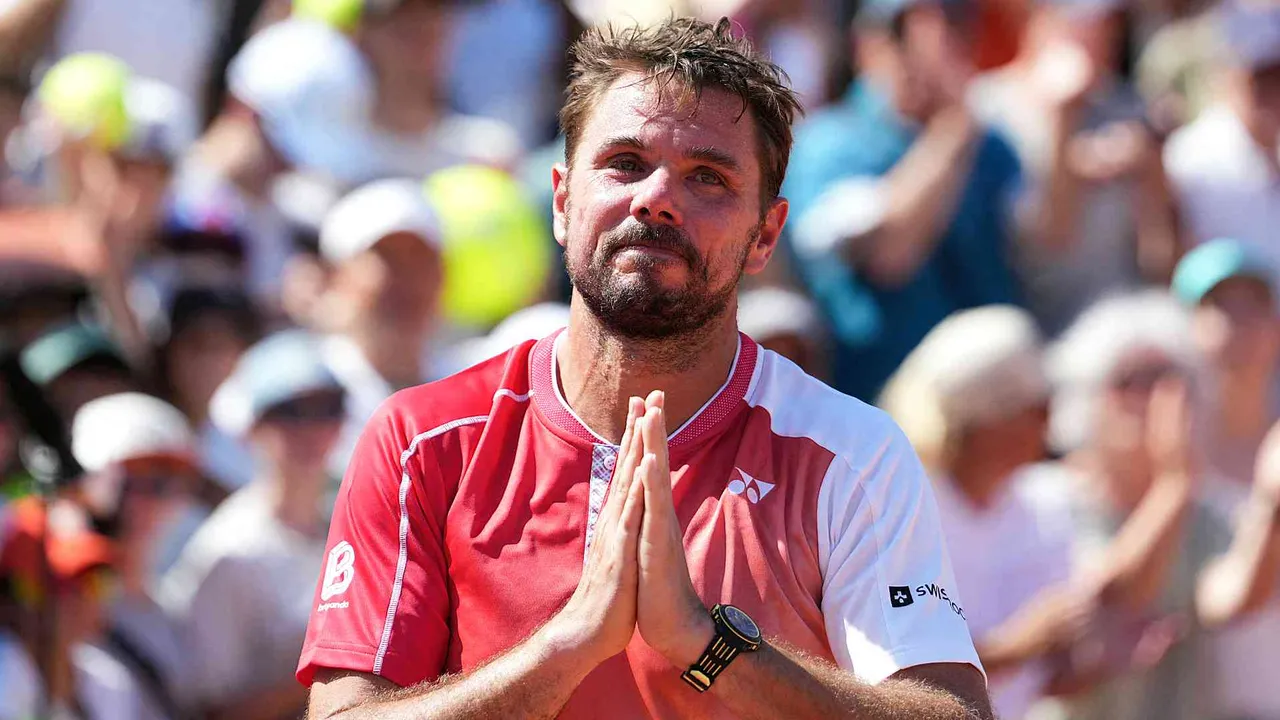
The Swiss legend sat down for an episode of Chak Chat, where he reflected on his career, named the greatest player in tennis history, and explained how his relationships with Nick Kyrgios and Roger Federer evolved after their well-publicized clashes. We have gathered the standout quotes from Stan Wawrinka’s conversation with Anna Chakvetadze.
— Stan, you played your last match at Roland Garros. It was incredibly emotional. The atmosphere at the end was unbelievable. Your connection with the crowd was special as well. How much did that moment mean to you?
— It was simply amazing. One of the main reasons I’m still playing at 41 is because of the emotions I receive on court from the fans. That match had something special about it. So much support, so much energy, positive energy. I felt the love coming my way. It was a truly special occasion, and I enjoyed every second of it. But it’s never easy to say goodbye to something you’ve loved and devoted a quarter of a century to. At the same time, it was the right decision. And I’m grateful that my final ovation came here, at Roland Garros.
— Were you disappointed that the match wasn’t played on Centre Court?
— No, honestly. I was never the kind of person or player who constantly needed to be on the biggest courts.
— But you deserve it.
— I’ve had plenty of opportunities to play on the main courts, so I’m completely at peace with it. Court Simonne-Mathieu is a fantastic venue. The atmosphere there was incredible. The most important thing was the love I received from everyone who was there, from the fans. Unfortunately, I couldn’t win, but it was a great battle. I truly enjoyed saying goodbye in that environment because the crowd became one of the defining parts of that match.
— You’ve said that your loss to Novak Djokovic at the 2013 Australian Open changed you as a player. How would you explain that? What exactly changed?
— By 2013, I had already spent nearly ten years on tour. I first entered the Top 10 in 2008. Then I spent eight or nine years hovering around the second tier, somewhere between No. 13 and No. 20. I was playing good tennis, really good tennis. Reaching that level is already extremely difficult. But I lacked a little belief that I belonged among the very best. I was playing well, but I couldn’t beat the truly elite guys, especially those in the Top 10. That match completely changed my belief system. Deep down, I finally started to feel that I could beat the world No. 1 someday. That I could go deeper at Grand Slams.
— A year later you came back to Australia and won your first major title. What do you remember most about that tournament?
— Winning your first Grand Slam is something extraordinary. It’s an incredible feeling. As I said, I never dreamed specifically of winning one, but I also never put limits on my career. And when it finally happened, it felt unbelievable. You know, when you play match point, every memory from the previous 20 years flashes before your eyes. All the sacrifices, all the discipline, all the reasons why you fought so hard to keep improving.
— I know people who still believe your Roland Garros final is the greatest match they’ve ever watched. Is that your favorite Grand Slam final?
— Yes, it is.
— Can you explain why? I remember that final perfectly. Tell me about your emotions.
— Of course every major victory is important, but Roland Garros has always been truly special for me. I grew up in Switzerland, in the French-speaking part of the country. As a kid, at that time of year, I would come home from school and watch Roland Garros all day and all evening. I was already deeply in love with tennis. Until I was 18, I grew up playing exclusively on clay. I competed only on clay courts. I developed my game on satellite and Futures events in Spain. I watched and learned from the Spanish Armada. Back then, Roland Garros was the dream. First I managed to win it as a junior. Then, years later, I won it against Novak, who was world No. 1 at the time. I think he had won around 30 matches in a row or something like that. He was the overwhelming favorite. And to play the way I played that day—it was crazy. Absolutely crazy. It will forever remain the greatest moment of my career.
— Who was the most difficult opponent of your career? The toughest matchup?
— The greatest challenge was playing Rafa in a five-set match at Roland Garros. His career speaks for itself. We all know what he achieved there. So yes, facing Rafa at Roland Garros was the toughest challenge of my career.
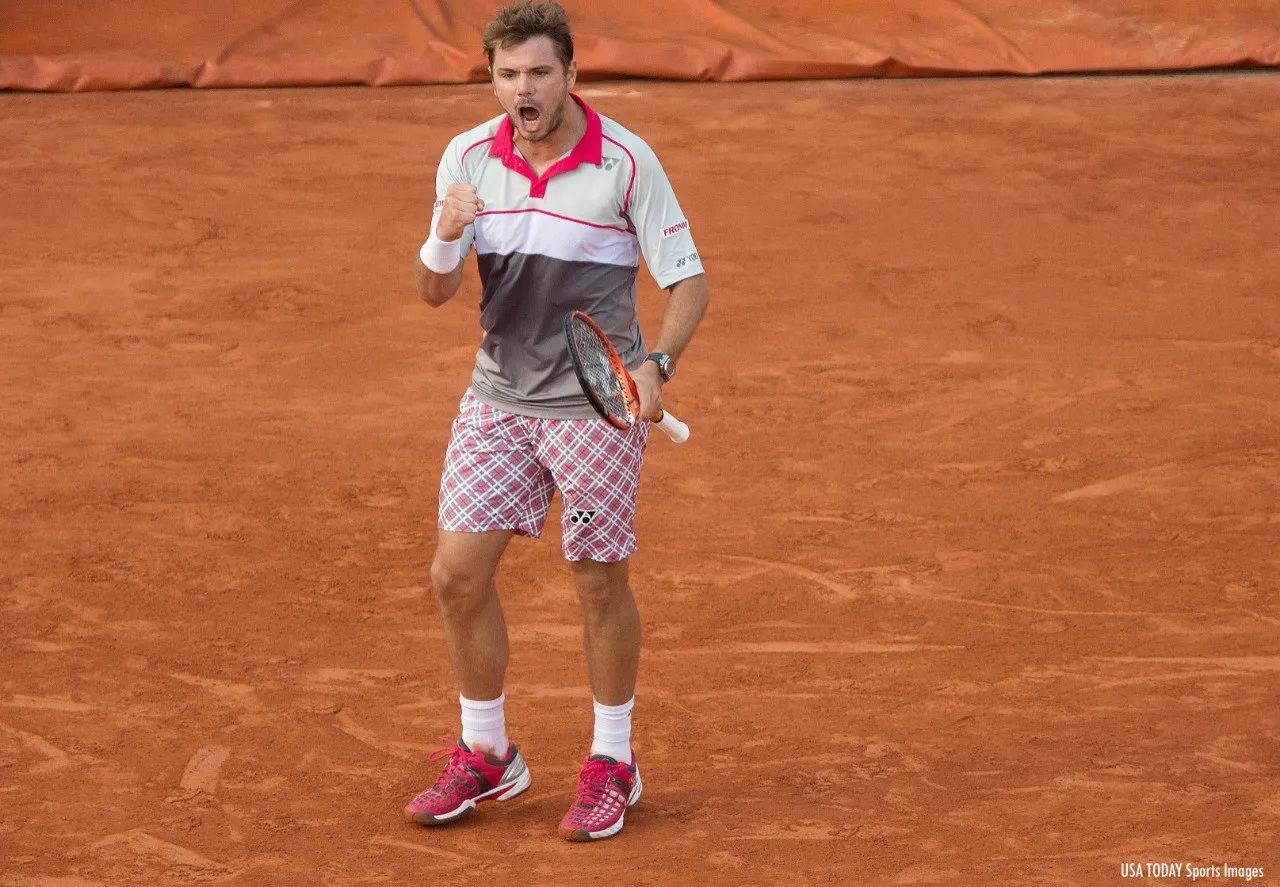
— Your Roland Garros shorts became legendary as well. Are they your favorite outfit?
— No.
— Why not?
— Because from a design perspective they were never my favorite. They became famous because I won the tournament wearing them.
— They brought you luck.
— Exactly. So I’m happy with them.
— You’ve won almost everything there is to win in tennis: Grand Slams, Olympic gold, the Davis Cup. Is there anything still missing from your trophy cabinet?
— Wimbledon was always a dream. Unfortunately, I stopped at the quarterfinal stage.
— Do you think grass was the issue? Your game on that surface? Why was Wimbledon the toughest major for you?
— Grass was always a little more difficult for me. It was harder to play my natural style of tennis there. As I mentioned, I grew up on clay, on slower courts. My game needs time. I managed to improve tremendously on faster surfaces, indoors and on hard courts. But grass always remained a challenge. The season is also very short. Some players need matches to build confidence before they can make deep runs. And I often ran into stronger opponents. Unfortunately, I wasn’t able to achieve a better result there.
— Do you already know which tournament will be your last?
— Probably Basel at the end of the year. Most likely there. But when you’re 41, you have to live week by week. Of course I want to keep playing. I want to compete every week. But I also need to be careful. So I’m trying to build the right schedule based on how my body feels.
— Could you change your mind and stay for one more season?
— Absolutely not. No chance. I’d love to continue playing, but I know I’ve done everything. I know I can’t ask for more. I can’t demand more from my body. Even now, maintaining the level every day is difficult. Continuing to work with that kind of intensity is hard. But I’m happy I can still do it. And I’m happy I’m still playing well enough to say goodbye to the fans without any sense of embarrassment.
— There were a few controversial moments in your career, but they never seemed to bother you. The Nick Kyrgios incident, for example, or the locker-room disagreement with Roger Federer. Is that really the case? Do you simply have a great poker face? Or were you genuinely calm?
— I was genuinely calm. Of course there were difficult moments throughout my career for different reasons and in different situations. But I think I’m a pretty easy-going person. There has been so much positivity in my career and in my life that I prefer focusing on that rather than letting small conflicts eat away at me.
— Did you ever speak with Kyrgios after the incident?
— Yes, many times. Even now, whenever we see each other, there are no problems. Obviously what happened wasn’t ideal. But we talk whenever we meet and everything is fine.
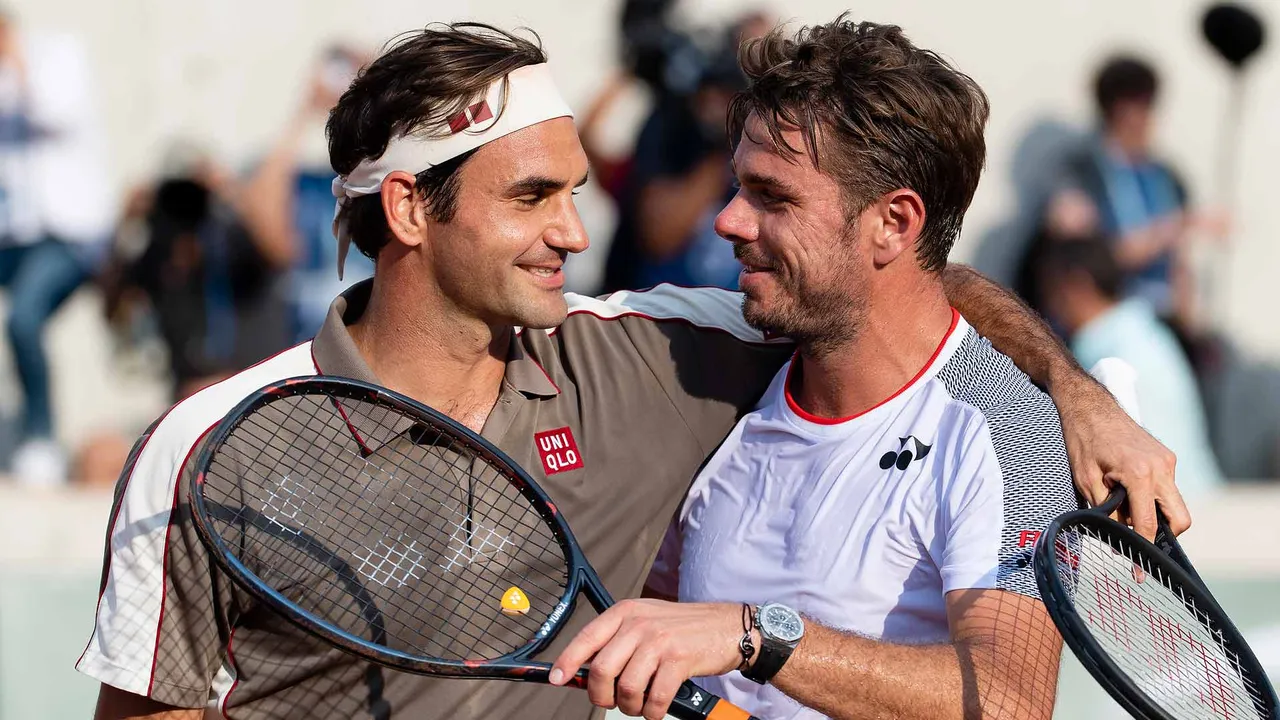
— We saw Roger in Dubai. He was supporting you during your first-round match. Would you call him a friend? How often do you talk or exchange messages?
— Yes, we became close after spending so much time together over so many years.
— Was it always like that, or did things change after he retired?
— I think Roger has always been one of those close friends you don’t need to see constantly or call every week. But after everything we experienced together on tour—and off tour as well—over the last 20 years, we’re always genuinely happy whenever we meet again.
— What was the biggest sacrifice you made for tennis?
— I’m a positive person, so I think… To compete at this level and give 100 percent for so many years, you have to sacrifice a lot. When you truly love what you do, you must commit even more. To stay at the highest level, you need incredible self-discipline. The hardest thing about tennis is that we travel nine or ten months a year. We’re constantly on the move. As an athlete, you have to live a fairly restrained life and keep yourself under control. When you’re young and surrounded by friends, you often have to say no. You can’t always go out with them. You can’t simply join a vacation with your group of friends. So if you want to put a label on it, I’d call that a sacrifice. But for me, it was never a problem.
— So you missed every party?
— Not every party. I attended them after winning.
— Which one was the biggest?
— There were too many. No, I’m joking. The three biggest parties of my life came after my Grand Slam titles.
— Where? The same places?
— Australian Open, Paris and New York. Right after the finals.
Watch the full Stan Wawrinka interview on our VK and YouTube. In the complete conversation, you’ll also find out which player Stan considers the greatest in tennis history—and whether he believes Jannik Sinner and Carlos Alcaraz can eventually catch him.