Score: score unavailable
Участник
Участник
0.000.00
When sports icons make documentaries about themselves, audiences usually know exactly what to expect: archival victories, inspirational quotes, stories of overcoming adversity, and an obligatory triumphant ending.
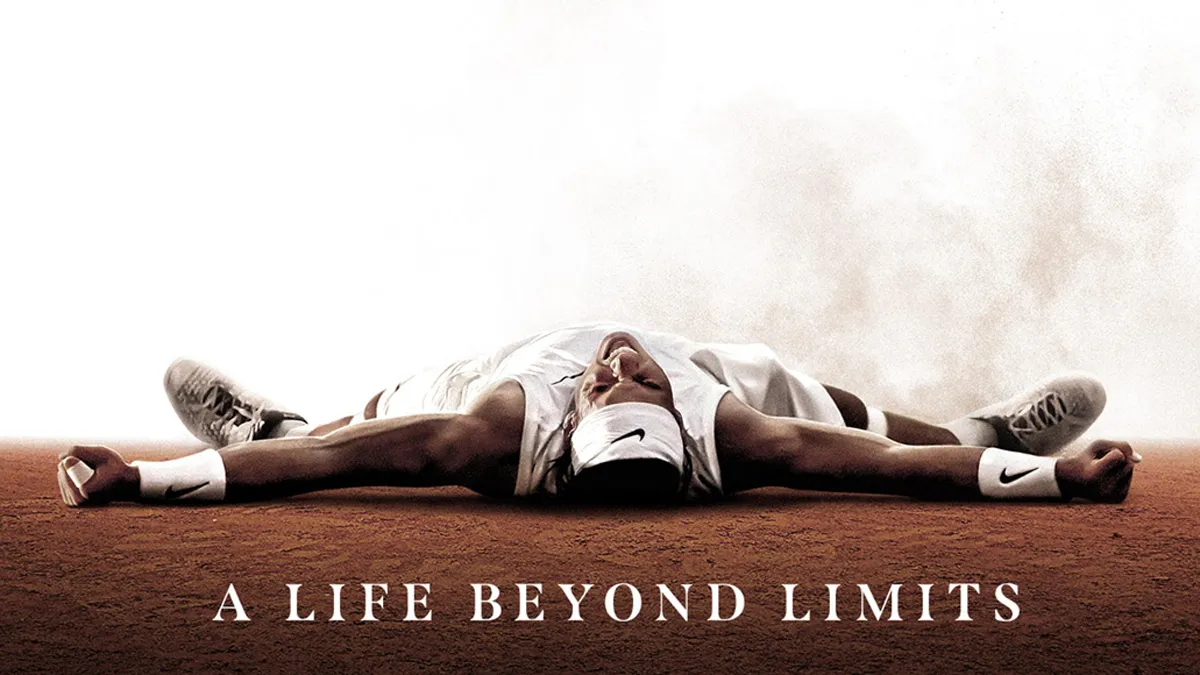
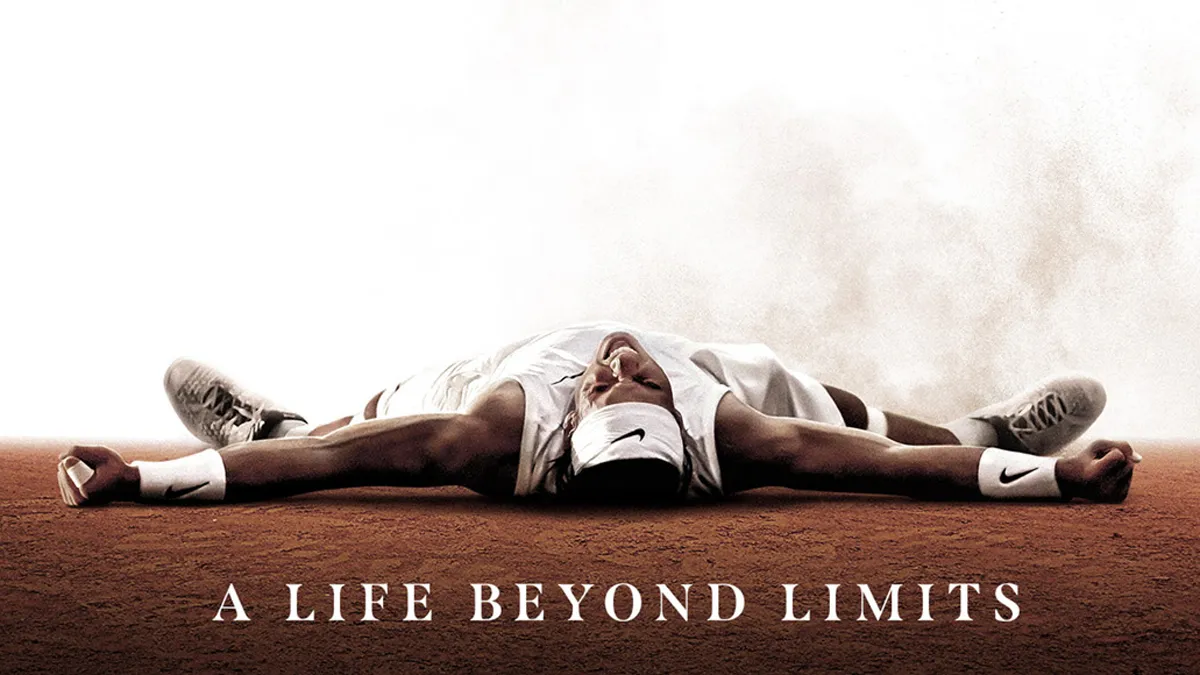
When sports icons make documentaries about themselves, audiences usually know exactly what to expect: archival victories, inspirational quotes, stories of overcoming adversity, and an obligatory triumphant ending. Rafa, the new four-part Netflix documentary released ahead of Roland Garros, takes a very different path. Instead of building another monument to Rafael Nadal’s greatness, director Zach Heinzerling tells the story of a man who spent nearly two decades pushing his body to its absolute limits while constantly trying to outrun time itself.
That is precisely why the series is already being hailed as one of the most compelling sports documentaries in recent years.
The most remarkable aspect of Rafa is that Rafael Nadal was not its producer. Most modern athlete documentaries are created with their subjects heavily involved, often resulting in carefully managed narratives that avoid uncomfortable topics.
This time, things are different.
Director Zach Heinzerling, known for his documentary work and collaborations with Skydance Sports, was granted extraordinary access to Nadal's life during the final season of his career.
The cameras go places they've never been before. Nadal lies on a massage table while physiotherapists work desperately to repair his battered hip. During treatment, he closes his eyes and quietly sings along to Lady Gaga songs. Behind another door, members of his team discuss what they describe as his almost unhealthy willingness to endure any amount of pain for one more chance to step onto a tennis court.
There are wonderfully ordinary moments, too. His team jokes about how many times Rafa visits the bathroom before a match. Surprisingly, scenes like these reveal more than any formal interview ever could. They show a living, breathing person rather than an untouchable sporting icon.
The documentary revolves around an illness that many tennis fans had only vaguely heard about.
Early in his professional career, Nadal was diagnosed with Müller-Weiss syndrome, a rare degenerative disease affecting the navicular bone in his foot. For most athletes, such a diagnosis would have ended a career before it had truly begun.
Nadal kept playing.
Custom orthotic insoles eased the pressure on his foot, but gradually shifted the burden elsewhere. Knees, back, hips—the documentary carefully traces the chain reaction that followed him throughout virtually his entire career. One of the series' most difficult scenes shows an enormous lump on the top of his foot, almost the size of a golf ball. Later, Nadal reveals that years of taking anti-inflammatory medication eventually caused damage to his intestines.
At one point, he simply stares ahead and quietly says: "I'm completely broken."
For an athlete who spent decades embodying resilience, that moment carries more emotional weight than any trophy-lifting montage ever could.
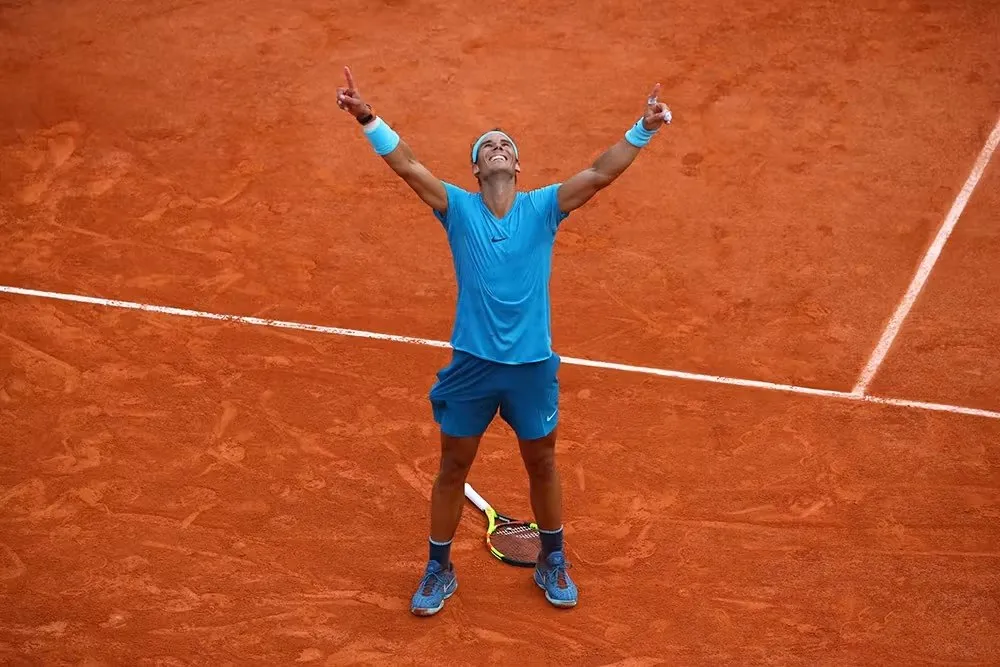
Another major thread focuses on the man who shaped the future 22-time Grand Slam champion: his uncle and longtime coach, Toni Nadal. The documentary reminds viewers just how demanding Rafa's childhood training really was. The first hour of practice without water. Maximum intensity regardless of exhaustion. A constant lesson that success could only come through suffering.
The filmmakers avoid passing judgment. Rafa's mother cautiously suggests that some of Toni's methods may have been too harsh for a child. Nadal himself refuses to offer a clear verdict. The impression is that he either still hasn't fully processed those experiences—or simply isn't prepared to discuss them publicly. What becomes obvious, however, is that this philosophy eventually transformed him into the ultimate symbol of perseverance.
The series also explores an unexpected subject: Nadal's mental state. Millions of fans knew his famous serving routine—adjust the hair, touch the nose, straighten the shorts, fix the hair again. Many assumed they were simply superstitions. The documentary reveals that these rituals helped him manage anxiety and maintain a sense of control during matches.
More broadly, the filmmakers make every effort to humanize their subject. We see a young Rafael nervously thinking about texting a woman named Mery Perelló, who would later become his wife. We watch him playing with his young son. We hear him reflect on the loneliness of professional tennis. After scenes like these, one question becomes impossible to ignore: Why keep putting his body through all this?
Nadal's answer is remarkably simple: "For me, it's very simple. I explore the limits of my possibilities."
Rather than relying on a parade of celebrity cameos praising the main character, Rafa gives the floor to people who genuinely shaped his career. Roger Federer and Novak Djokovic—his two greatest rivals—appear throughout the documentary. Doctors, physiotherapists, family members, and longtime members of his inner circle also receive significant screen time.
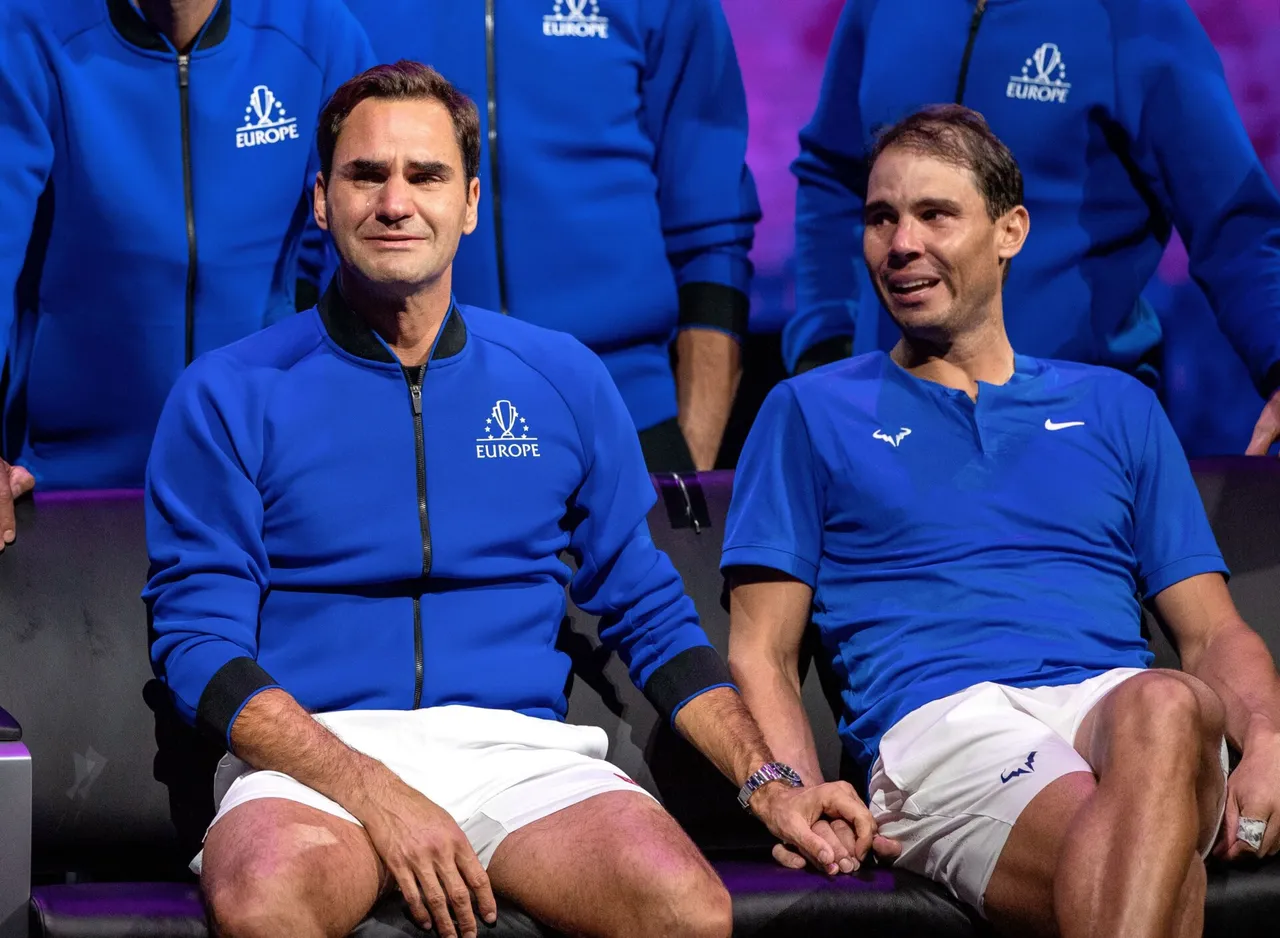
As a result, the story feels less like a recap of famous victories and more like an attempt to understand who Nadal really was within the world that surrounded him.
For nearly four hours, Nadal remains exactly as the world has always known him: humble and almost incapable of talking about his own greatness. Then, near the end, comes the scene that Heinzerling later described as the most important in the entire film. Following his defeat to Alexander Zverev at Roland Garros in 2024, Nadal rides in a car with his wife and unexpectedly begins reflecting on his legacy. He says that his record of 14 Roland Garros titles may actually be even harder to surpass than Novak Djokovic's all-time Grand Slam record.
According to Heinzerling, it was the only moment during filming when Nadal openly acknowledged the magnitude of his achievements. The director later admitted that this was when he realized Nadal had finally allowed himself to take pride in everything he had accomplished.
Technically, Rafa chronicles the final season of one of the greatest players in tennis history. In reality, it's the story of a man who spent nearly twenty years living with constant pain while continuing to compete, fully aware that every match could bring his career closer to its end. That is what makes the series far richer than most sports documentaries.
It doesn't spend much time trying to convince viewers that Nadal is the greatest tennis player of all time. Instead, it reveals the price behind 22 Grand Slam titles, 14 Roland Garros trophies, and a place among the defining athletes of the twenty-first century. By the time the credits roll, it's impossible to look at Nadal's victories the same way. His signature philosophy suddenly carries an entirely different weight: "I always try to explore the limits of my possibilities."
Perhaps no sentence better captures who Rafael Nadal truly was—not only on a tennis court, but far beyond it.