Score: score unavailable
Участник
Участник
0.000.00
The legendary team of Isiah Thomas and Dennis Rodman has left a lasting imprint on the franchise that still shapes the Pistons today.
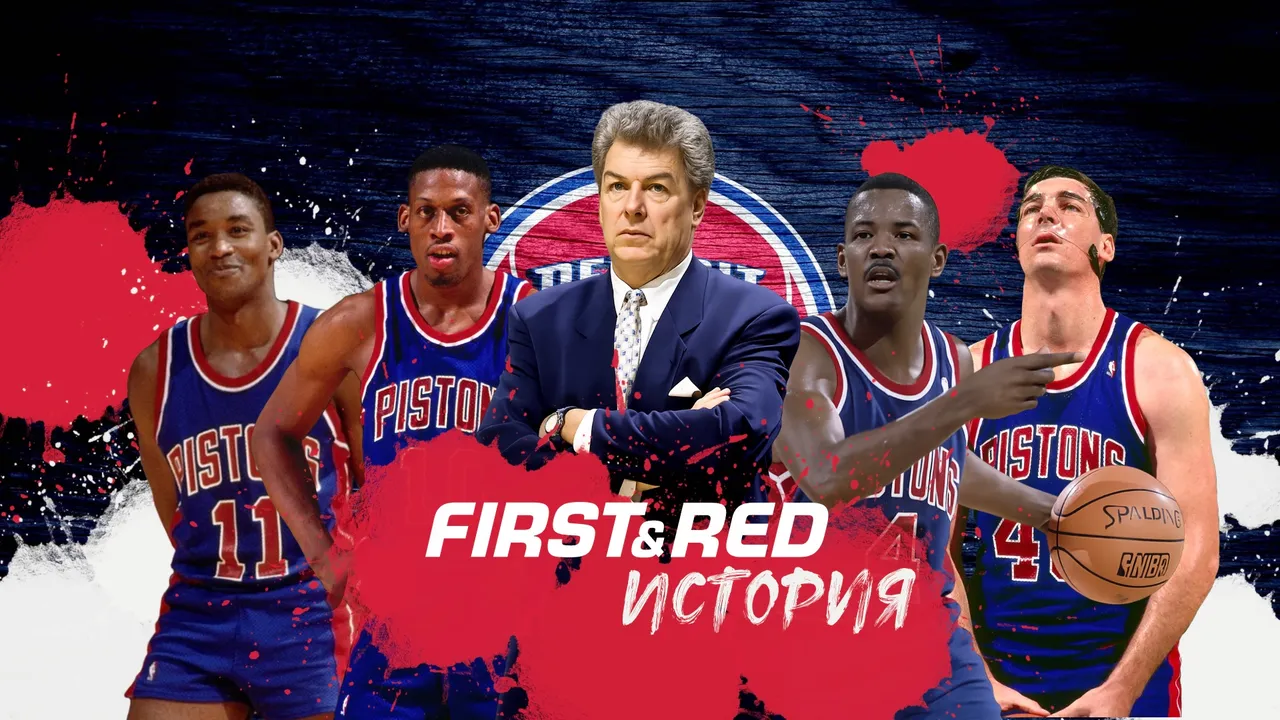
After years spent at the bottom of the Eastern Conference, the Detroit Pistons have climbed back to the top. They're playing exciting basketball and fully deserve to sit atop the standings in the 2025/26 season.
Watching this Pistons team triggers a serious dose of nostalgia for longtime fans. This is old-school basketball at its finest: Detroit currently boasts the second-best defense in the NBA, pairing it with an efficient offense and charismatic leaders. What we're witnessing feels like the rebirth of the legendary Bad Boys. The franchise's fearless, confrontational DNA is once again striking fear into opponents across the league.
Back in the 1970s, Detroit—a city that had once symbolized prosperity and industrial might—began a slow decline. Factories shut down, residents fled to the suburbs, downtown deteriorated, and sports followed the same downward trajectory. The Pistons had talented players, but remained a mediocre team. By the end of the decade, they had stopped making the playoffs altogether, unable to keep pace within their division. Change was needed—not only for the city, but for the franchise itself.
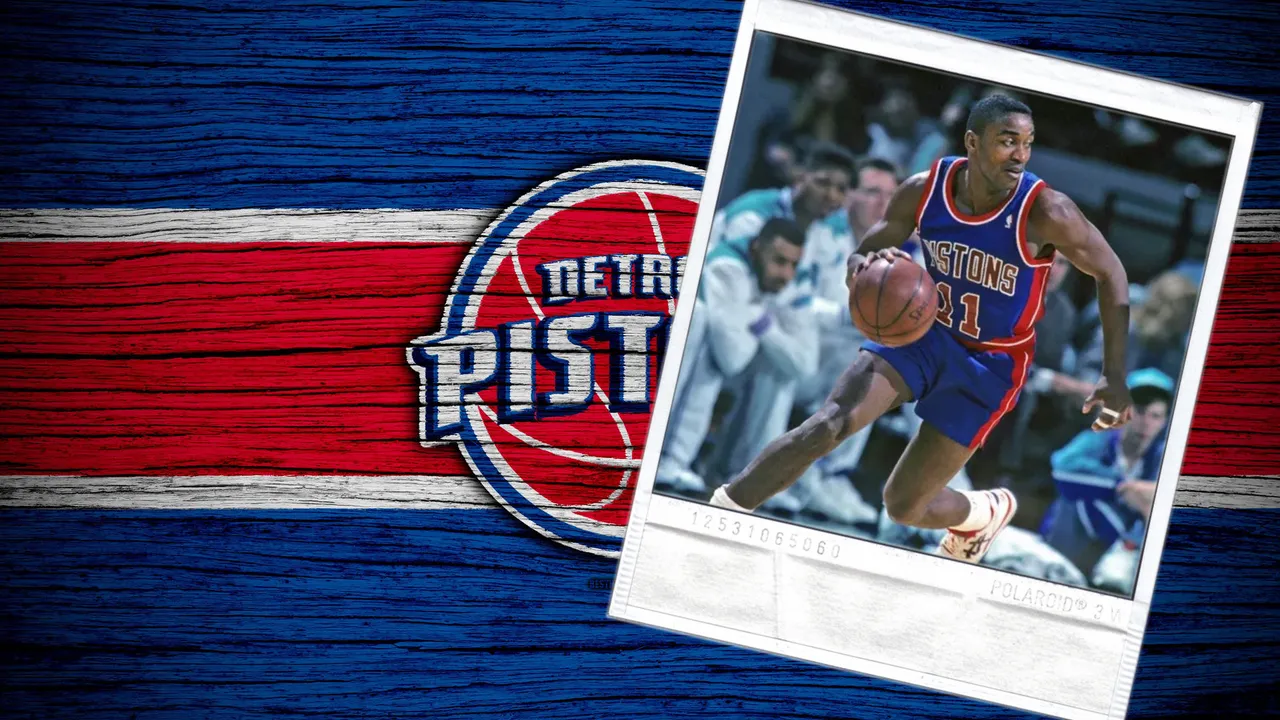
That change arrived in 1981, when Detroit selected a young point guard from Chicago named Isiah Thomas with the second overall pick in the NBA Draft. It took only one season to realize the Pistons had found their franchise cornerstone.
Thomas became the heart of the team, orchestrating the offense and controlling the game. But alongside his basketball brilliance came an unbreakable competitive edge and a gift for provocation. After losing to the Celtics in the 1987 playoffs, Thomas famously declared that if Larry Bird were Black, he'd be viewed as "just another good player." The comment perfectly captured his personality: in Thomas' eyes, the league celebrated Bird partly because he represented the rare image of a white superstar.
Thomas also helped shape Detroit's identity. Together with head coach Chuck Daly, he embraced a philosophy built on maximum physicality and relentless defense. The idea emerged after the Pistons were bullied by Atlanta in the opening round of the 1986 playoffs. Detroit decided that if they couldn't outmuscle opponents, they'd become the toughest team in basketball. Thus, the Bad Boys were born.
No player embodied that philosophy more than center Bill Laimbeer. In 1982, Detroit made what would become one of the most important trades in franchise history, acquiring Laimbeer and Kenny Carr from Cleveland.
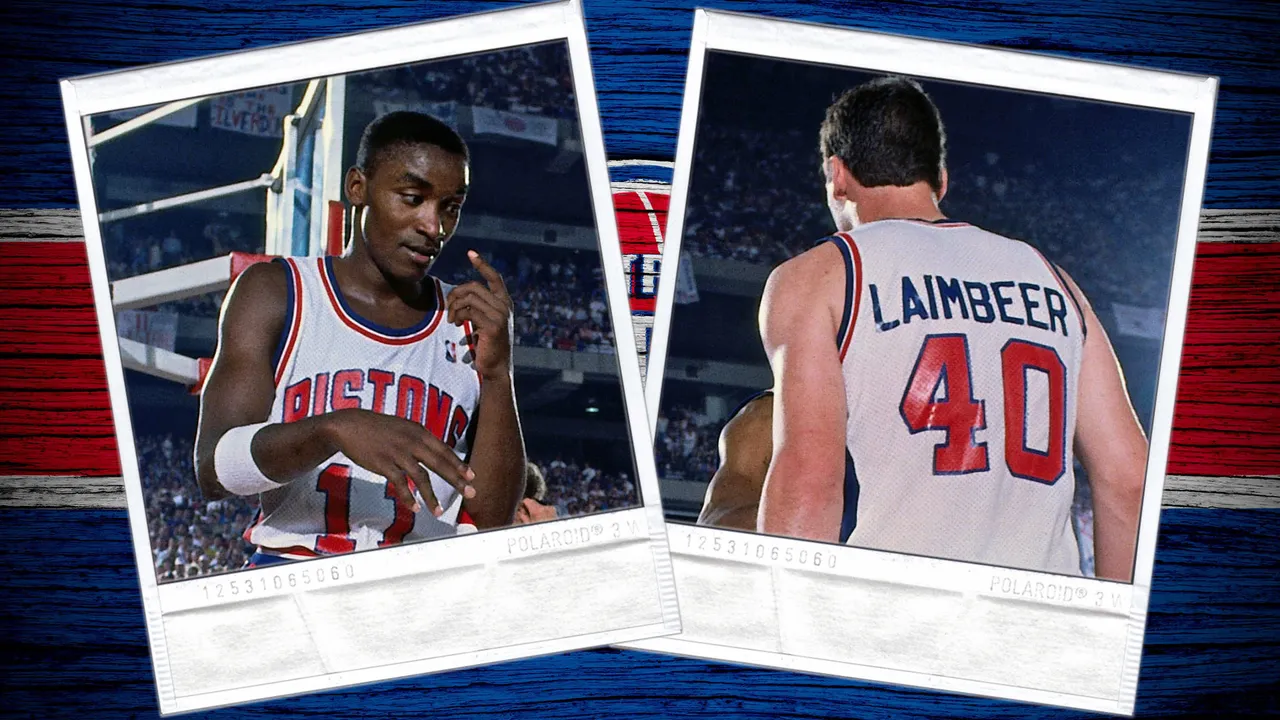
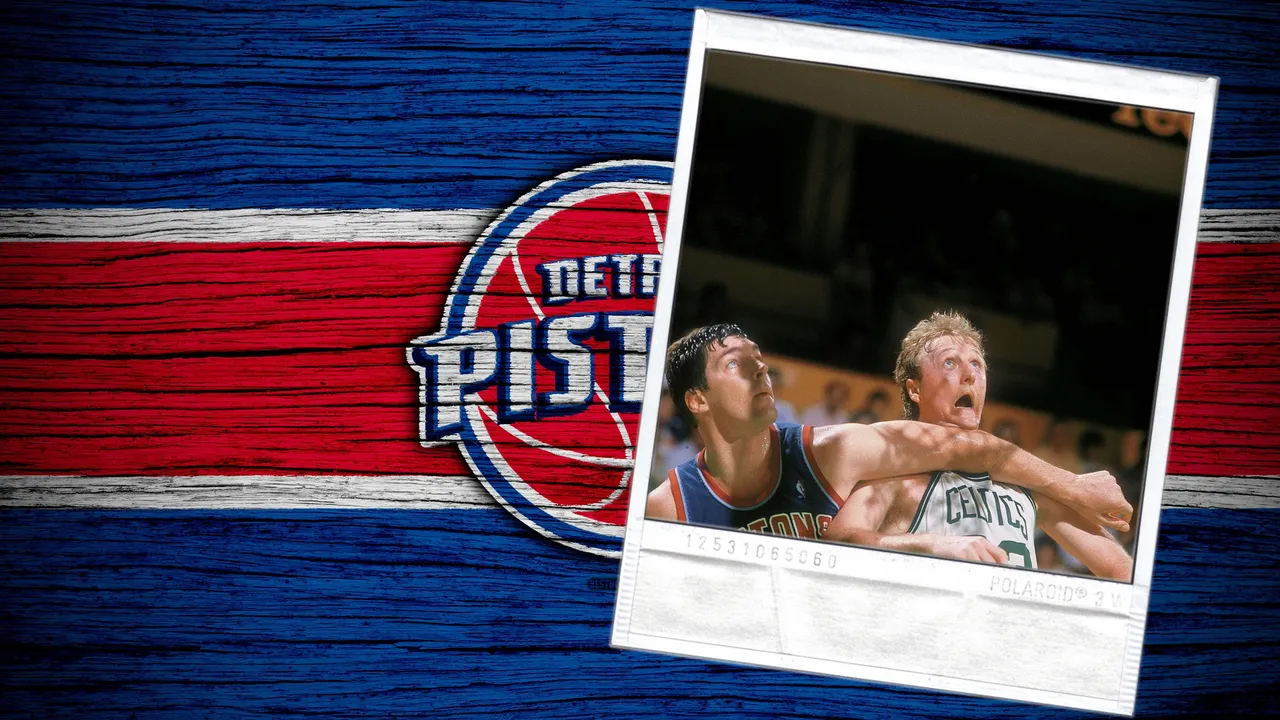
Laimbeer didn't simply play on the edge of the rules—he often crossed the line. Elbows flew freely. Trash talk never stopped. He was known to spit at opponents if it meant getting under their skin. Today, players like Draymond Green, Grayson Allen, or Dillon Brooks are often labeled as villains. Compared to Laimbeer, they look like choir boys.
The arrival of Chuck Daly in 1983 transformed everything. In his very first season, he led Detroit back to the playoffs for the first time since 1977/78. The foundation had been laid for a team that would soon become the most feared group in basketball.
The front office continued building the roster. Joe Dumars arrived through the 1985 Draft, while center Rick Mahorn was acquired from the Washington Bullets. Then came the pivotal 1986 Draft, bringing in John Salley, Adrian Dantley, and Dennis Rodman.
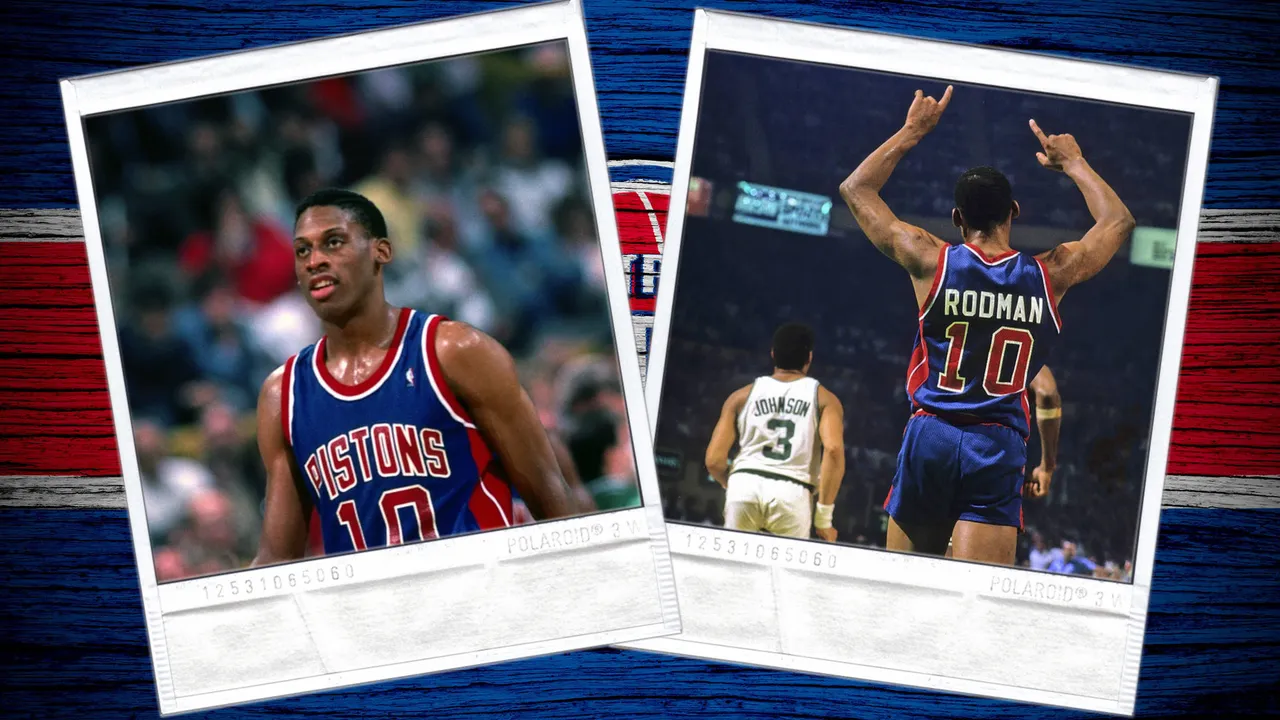
Rodman would eventually become the most recognizable Bad Boy of them all. This was before the brightly colored hair and facial piercings, but the eccentric personality was already unmistakable. More importantly, he was an elite defender, winning Defensive Player of the Year twice while wearing a Pistons jersey.
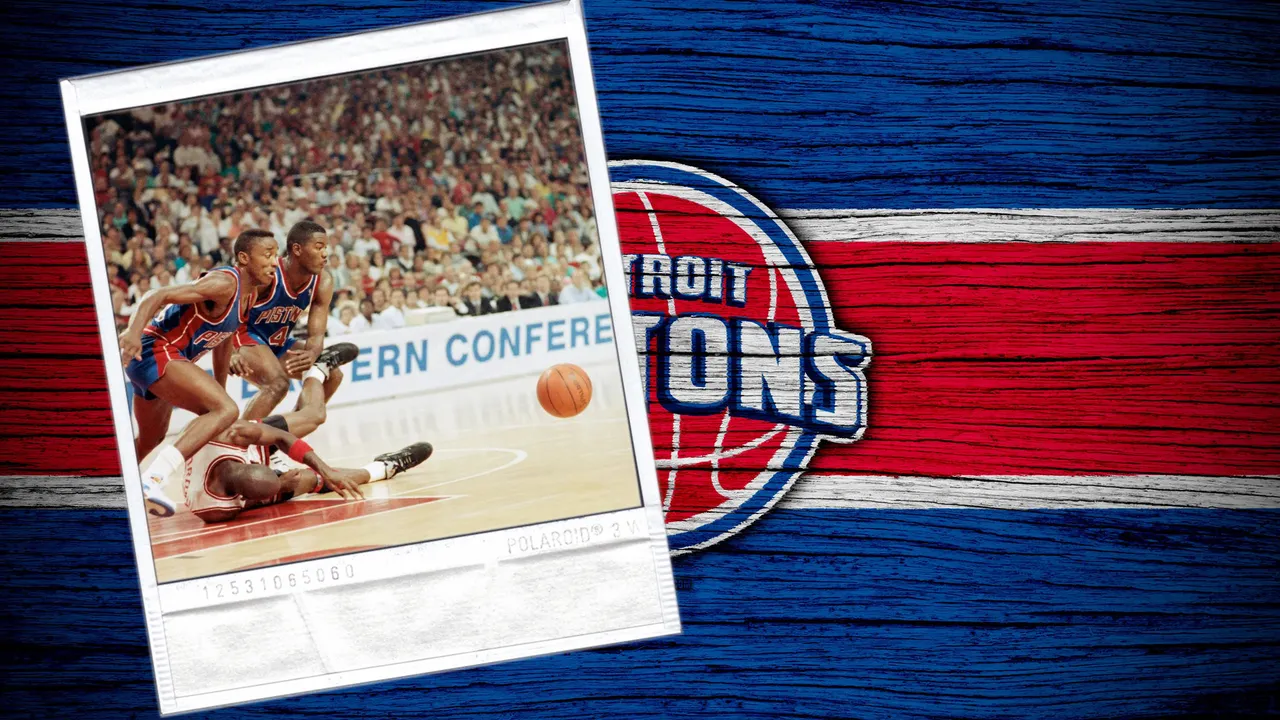
Rodman was also one of the players most responsible for making life miserable for Michael Jordan during the early years of his career. Detroit and Chicago met repeatedly in the playoffs, and Chuck Daly developed what became known as the Jordan Rules. The strategy was brutally simple: whenever Jordan attacked, multiple Pistons collapsed on him, often delivering hard, punishing contact.
Thomas, Laimbeer, and Rodman were terrifying enough on their own, but Daly demanded toughness from everyone. Mahorn frequently matched—or even exceeded—Laimbeer's physicality. One of the defining moments of his career came when he violently threw Jordan to the floor, igniting a fight. Playing against Detroit was never just basketball for Jordan—it was survival.
If Salley supplied the team's sense of humor, he also had plenty of talent. While with the Pistons, he befriended comedian Eddie Murphy, an encounter that sparked his later interest in stand-up comedy. On the court, Salley made history by becoming the first NBA player to win championships with three different franchises: the Pistons, Bulls, and Lakers. After retirement, he transitioned into acting, mostly appearing in supporting roles.
The quietest star was Joe Dumars, whose consistency made him one of the team's most valuable players. He was named NBA Finals MVP in 1989, and spent his entire career in Detroit, cementing his status alongside Thomas as a franchise legend.
The Bad Boys truly announced themselves to the basketball world during the 1987 Eastern Conference Finals against Larry Bird's Celtics. At the time, the NBA revolved around the Lakers-Celtics rivalry. Detroit had every intention of disrupting that narrative.
No one stirred the pot quite like Bill Laimbeer. Before one game in Boston, he deliberately stepped on the famous leprechaun logo at center court inside Boston Garden, then spat on it in front of thousands of furious fans. Predictably, New England erupted.
The series even featured an actual fistfight between Laimbeer and Bird. They traded punches without hesitation. The atmosphere could best be described as mutual hatred with a basketball attached. Boston ultimately survived in seven games.
Detroit learned from the defeat.
A year later, the Pistons reached their first NBA Finals, facing Magic Johnson's Los Angeles Lakers. They lost in seven games, but everyone understood that Detroit's moment was coming.
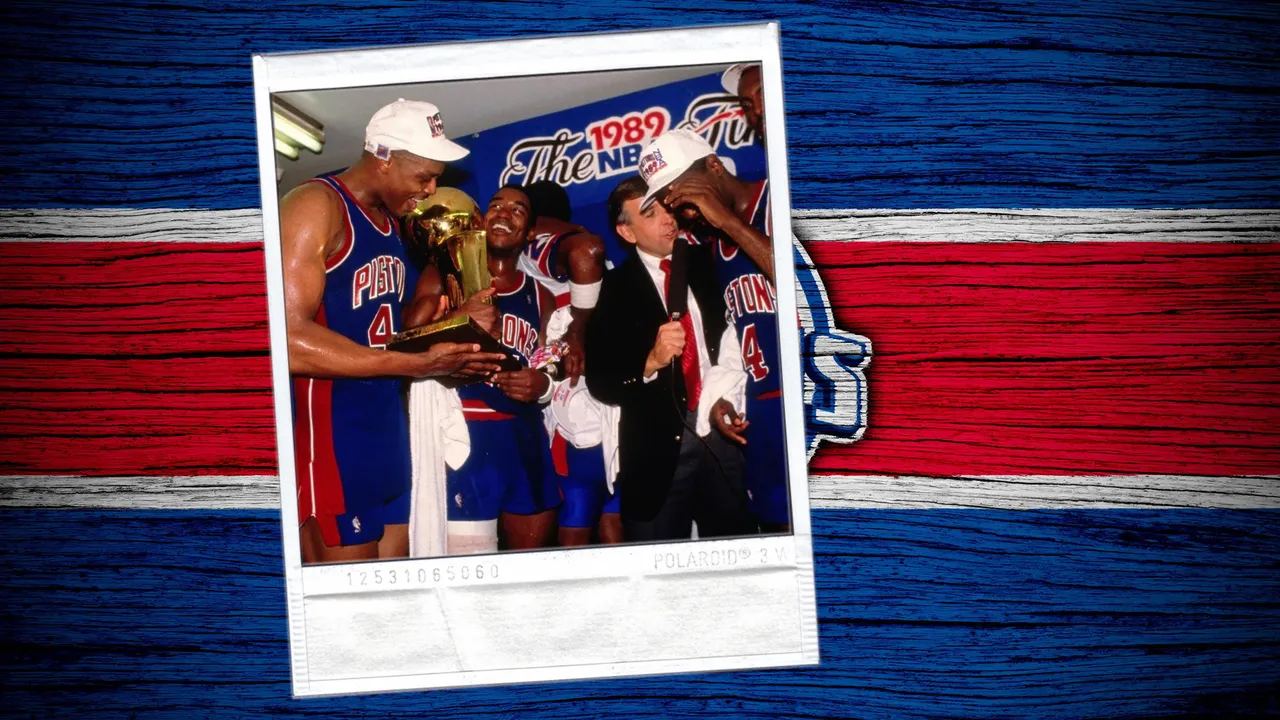
It arrived in 1989, when the Pistons swept the Lakers 4-0 to capture the franchise's first championship. Dumars was named Finals MVP. One year later, Detroit defended its title by defeating Portland.
Those two seasons marked the peak of the Bad Boys era. Thomas stood among the league's greatest point guards. Rodman had become a defensive phenomenon. Laimbeer was despised by virtually everyone in basketball—except, perhaps, the people of Detroit.
The dynasty began to crumble in the early 1990s.
In the 1991 Eastern Conference Finals, the Pistons once again met Jordan's Bulls. This time, Chicago finally got its revenge, sweeping Detroit 4-0. With seconds remaining in Game 4, Thomas and most of his teammates famously walked off the floor without shaking hands—a gesture that has become one of the most infamous moments in NBA history.
The following year, Chuck Daly accepted perhaps the greatest coaching job imaginable, taking charge of the legendary Dream Team at the Barcelona Olympics. But one notable player was missing: Isiah Thomas.
Jordan reportedly made it clear that he refused to share a locker room with his longtime tormentor. Daly had to choose, and with Olympic gold virtually guaranteed, he sided with Jordan.
Without their coach, the Pistons never regained their former identity. Their stars grew older. Rodman moved to San Antonio before eventually joining Phil Jackson's Bulls.
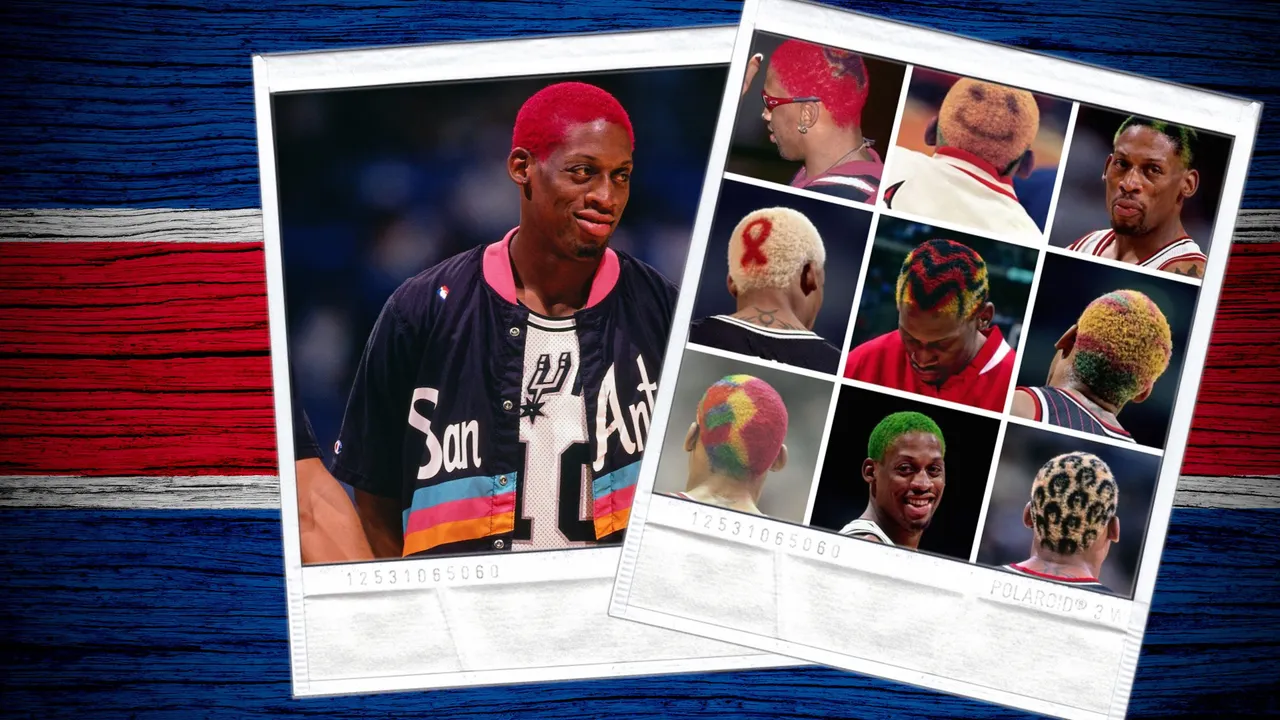
By 1992, the Bad Boys era was effectively over.
But Daly's departure wasn't the only reason. At some point, the NBA decided enough was enough. New rules regarding personal fouls and illegal contact made it impossible for Detroit to defend the way it once had. In many ways, you could argue that today's player-friendly rulebook exists because of the Bad Boys.
Yet the philosophy never completely disappeared.
In the early 2000s, Detroit produced what felt like Bad Boys II. Led by Ben Wallace, Richard Hamilton, Chauncey Billups, and company, the Pistons won the 2004 NBA championship, stunning Kobe Bryant, Shaquille O'Neal, and the heavily favored Lakers in a 4-1 series. Defeating a team packed with Hall of Famers so convincingly remains one of the greatest upsets in NBA Finals history.
That version of the Pistons didn't last very long, either.
And now history seems to be repeating itself.
In 2026, we're watching what could become the third chapter of the Bad Boys story. This modern Detroit team stands apart because of its toughness, defensive identity, and uncompromising attitude.
The only thing these new Bad Boys are still missing is a championship banner.