Score: score unavailable
Участник
Участник
0.000.00
The return of one of the league's most iconic franchises is no longer a fantasy.
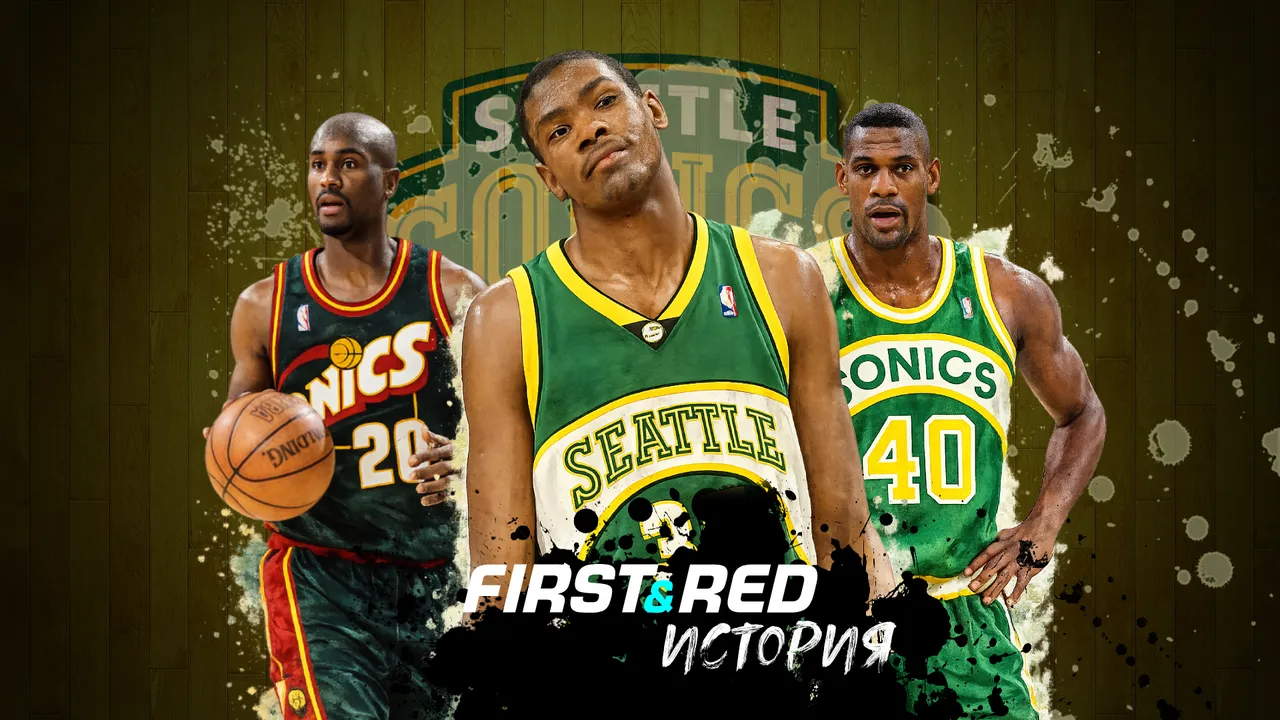
The return of one of the league's most iconic franchises is no longer a fantasy. The Seattle SuperSonics are on the verge of rejoining the NBA. Before that happens, it's worth remembering what basketball once meant to Seattle—and why the city never stopped waiting.
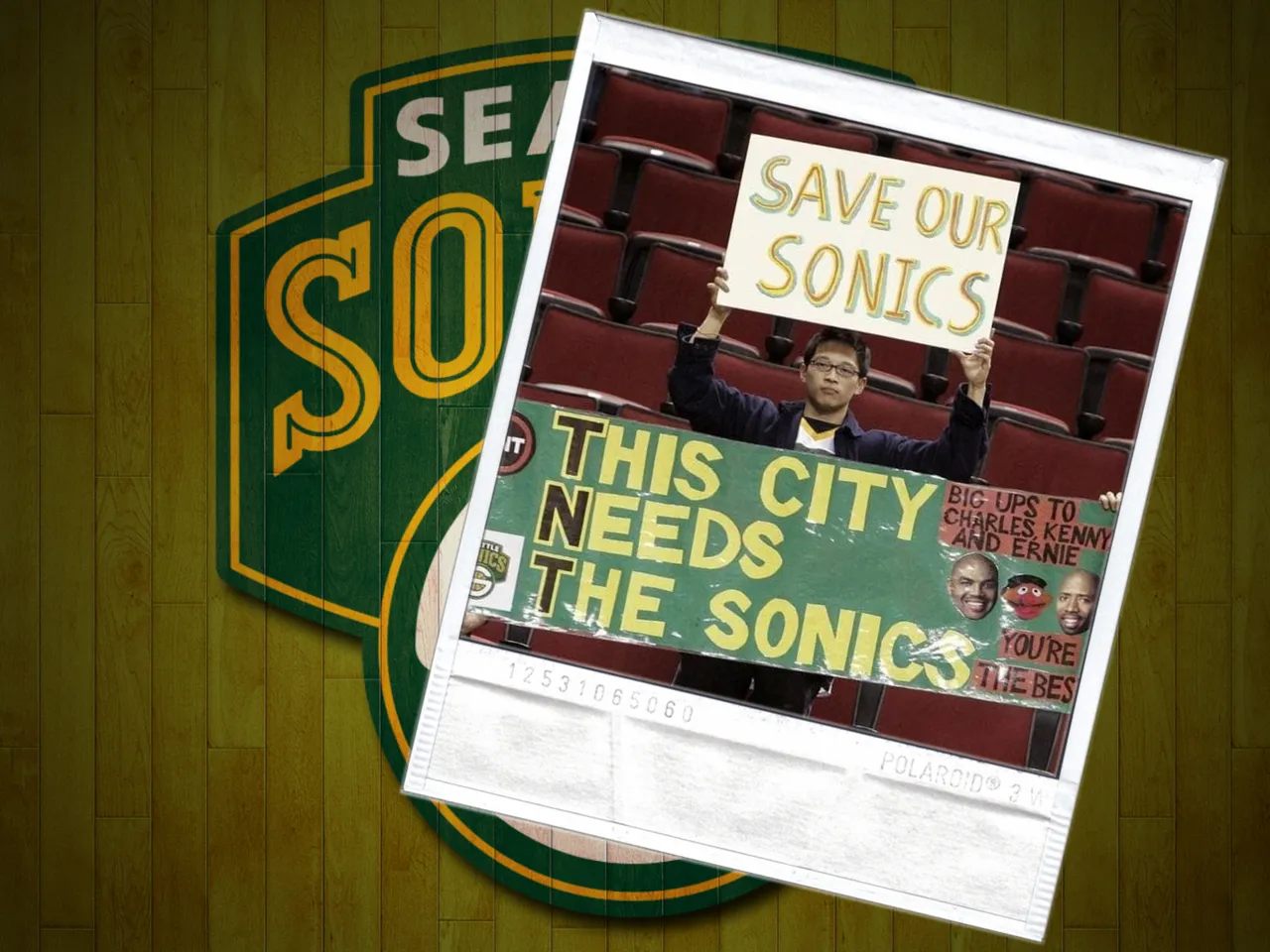
For many fans, the SuperSonics were more than just another NBA team. They were part of the city's identity. Green-and-gold jerseys, packed arenas, and generations of stars turned Seattle into one of basketball's true homes. Losing the franchise in 2008 left a wound that never really healed.
The SuperSonics entered the NBA in 1967 as an expansion team. Like most newcomers, they struggled early on, but by the late 1970s Seattle had grown into one of the league's strongest organizations.
The defining moment came in 1979. Led by head coach Lenny Wilkens and stars Dennis Johnson, Gus Williams and Jack Sikma, the SuperSonics defeated the Washington Bullets to win the first—and still only—NBA championship in franchise history. That title cemented Seattle's place in basketball history.
The following decade brought another generation of memorable players, but the 1990s became the franchise's golden era for many fans.
Gary Payton and Shawn Kemp formed one of the NBA's most electrifying duos. Payton—the relentless trash-talker and arguably the greatest defensive point guard ever. Kemp—the explosive high-flying power forward who seemed determined to tear every rim off its hinges. Together they made Seattle one of the league's most entertaining teams.
In 1996, the SuperSonics reached the NBA Finals, where they faced Michael Jordan's Chicago Bulls. Seattle fought hard and pushed the series to six games, but Jordan's Bulls completed another championship run. Even in defeat, that team earned lasting respect.
After the Finals loss, the franchise slowly declined. Kemp left. Payton eventually departed as well. Seattle remained competitive at times, but never truly returned to contender status.
Then came the decision that changed everything.
In 2006, businessman Clay Bennett purchased the franchise. Officially, he promised to keep the team in Seattle while pursuing a new arena. In reality, many fans believed relocation had been the plan from the very beginning.
Negotiations over a new arena collapsed. In 2008, the franchise officially moved to Oklahoma City and became the Thunder.
For Seattle, it felt like losing part of its soul.
Ironically, the Thunder soon became one of the NBA's model organizations. Kevin Durant, Russell Westbrook and James Harden transformed the relocated franchise into a perennial contender. In 2012 they reached the NBA Finals, and years later Oklahoma City finally captured the championship.
Seattle fans watched all of it with mixed emotions. Many couldn't help wondering what might have happened if that team had grown into a dynasty wearing green and gold.
But the city never gave up hope.
Every time the NBA discussed expansion, Seattle topped the list of candidates. Climate Pledge Arena—completely renovated and home to the NHL's Kraken—removed the biggest obstacle. The market remained one of the strongest in American sports. Corporate support never disappeared. Neither did the fan base.
Now, league expansion appears closer than ever.
NBA commissioner Adam Silver has repeatedly acknowledged that Seattle is an obvious destination whenever expansion officially begins. Las Vegas is widely expected to receive the other franchise, but Seattle has long been viewed as the first city in line.
The return of the SuperSonics would mean much more than adding another logo to the standings.
It would restore one of basketball's historic brands.
It would reconnect generations of fans with their team.
It would bring back one of the league's classic rivalries, particularly with Portland.
And perhaps most importantly, it would finally give Seattle closure after nearly two decades without NBA basketball.
The new SuperSonics will not immediately resemble the championship teams of 1979 or the Payton-Kemp era. They'll have to build everything from scratch: the roster, the culture, the identity.
But that's exactly how every great basketball story begins.
Seattle has waited long enough. Soon, one of the NBA's loudest arenas may once again echo with chants for the SuperSonics.