Score: score unavailable
Участник
Участник
0.000.00
Doriane Pin matters to motorsport not because she is a woman competing in a traditionally male environment, but because she has already built a genuine racing résumé—and now that résumé has become part of Mercedes’ Formula 1 system.
Doriane Pin matters to motorsport not because she is a woman competing in a traditionally male environment, but because she has already built a genuine racing résumé—and now that résumé has become part of Mercedes’ Formula 1 system.
At just 22 years old, the French driver has already completed a journey that takes many racers far longer: childhood karting, a French karting championship title, Renault Clio Cup, GT racing with Iron Dames, prototype racing, F1 Academy, and now a role in the Mercedes F1 Junior Programme. In 2026, she is no longer simply a development prospect—she is officially involved in the team's Formula 1 operation, working in the simulator, at the factory, attending Grands Prix, and contributing engineering feedback.
Her path to this point is just as important as the destination. According to Mercedes, Pin was attending karting events with her father as early as the age of four or five before beginning karting herself in 2013. What followed was a rapid—but far from conventional—rise through the ranks: French karting champion, Renault Clio Cup competitor, GT3 podium finisher, Ferrari Challenge Trofeo Pirelli winner, and Gold Cup victor at the 24 Hours of Spa.
In other words, Pin is not the product of a perfectly structured single-seater ladder. She is a driver who has accumulated experience across multiple disciplines, adapting to different types of machinery along the way. That versatility is precisely what makes her valuable to a top Formula 1 organization: she arrived not from a carefully managed pipeline but from the unpredictable reality of professional racing, where adaptability is everything.
Before joining Mercedes, Pin had already established herself as one of endurance racing's brightest talents. In 2023, she debuted in the FIA World Endurance Championship's LMP2 category and immediately made history, becoming the first woman to score an LMP2 podium, the first woman to claim an LMP2 pole position, and the first female recipient of the FIA WEC Rookie of the Year award.
Those achievements mattered because they were earned in one of motorsport's most competitive environments—without symbolic concessions or separate categories.
Pin joined Mercedes in 2024, entering the team's junior programme while receiving backing in F1 Academy. The significance wasn't simply that she was competing in an all-female championship—it was the level at which she performed.
In her rookie campaign, she immediately emerged as Abbi Pulling's closest challenger, won races, and finished runner-up in the standings. One year later, she completed the job. According to official F1 Academy statistics, Pin captured the 2025 championship with four victories and four additional podium finishes across seven race weekends.
That title led directly to the biggest step of her career.
In January 2026, Mercedes promoted her to the role of Development Driver. In practical terms, that means she is no longer simply affiliated with the team—she actively contributes to its Formula 1 programme. She works extensively on the simulator, participates in factory operations, and joins the team at selected Grands Prix.
Pin herself has described the position as more than just another line on her résumé. It gives her the rare opportunity to improve every single day alongside one of Formula 1's most experienced organizations.
This is where the story becomes particularly interesting.
Mercedes is not using Pin as a symbolic diversity initiative. The team values her because she can provide meaningful technical feedback.
When she drove a Formula 1 car for the first time—taking the wheel of the Mercedes W12 at Silverstone in April 2026—the team highlighted not simply the historic nature of the test, but her pace, technical understanding, and quality of feedback.
During the session, Pin completed 76 laps and covered more than 200 kilometres. In doing so, she became the first woman to drive a Mercedes Formula 1 car, the first F1 Academy champion to reach that milestone, and the first French woman to test a modern Formula 1 machine.
For today's Formula 1 environment, that distinction matters. Pin is becoming more than a symbol of opportunity—she is demonstrating that women can be fully integrated into the engineering and competitive side of the sport.
Why does that matter?
Because motorsport faces two challenges simultaneously.
First, it needs genuine talent rather than carefully manufactured narratives.
Second, the pathway for women to Formula 1 has historically been extraordinarily narrow, with promising careers often ending long before reaching the top level.
The last woman to start a Formula 1 Grand Prix remains Lella Lombardi back in 1976.
Pin is significant precisely because her career doesn't feel performative. She has already proven her speed in endurance racing, mastered single-seaters, won F1 Academy, entered Mercedes' development system, and gained access to the resources required to make a future Formula 1 opportunity genuinely realistic.
At the same time, reducing her importance solely to gender would miss the bigger picture.
Perhaps the most compelling aspect of Pin's story is how modern her career has become.
In 2026, she combines her responsibilities as a Mercedes Development Driver with a full European Le Mans Series campaign, while Peugeot has also recruited her into its World Endurance Championship programme.
In other words, Pin is no longer living the life of a promising academy prospect. She is already operating as a professional racing driver across multiple elite motorsport programmes simultaneously.
That makes her relevant not only to conversations about representation but also to the future direction of the sport itself: multidisciplinary, technically sophisticated, and increasingly open to the widest possible pool of talent.
Doriane Pin is no longer simply a promise of what might come.
She is already a professional operating at the highest levels of modern motorsport.
Every day at Mercedes she performs the kind of work that fans rarely see: learning, testing, listening to engineers, refining the car through feedback, and continuing to compete at a high level.
That is why she matters.
Not because she is a woman in Formula 1.
But because, for the first time in a long time, women's motorsport has produced a driver whose career looks genuinely sustainable, technically credible, and fully integrated into the highest tier of international racing.
 International Padel returns to Moscow. What to watch, where it takes place and how to get to the tournamentThe most important tournament of the year.
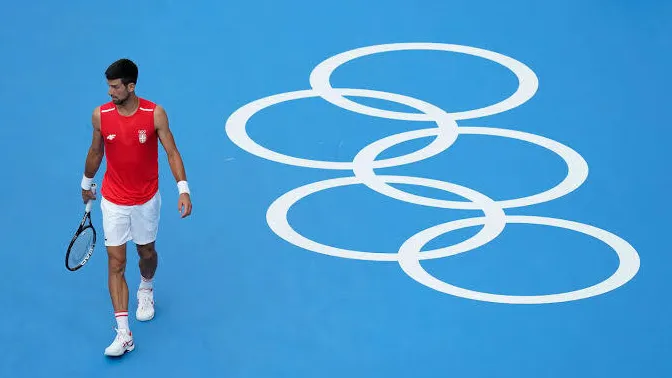 Olympics vs. Wimbledon: For the First Time, Tennis Stars May Have to ChooseThroughout tennis history, the Olympic Games have rarely competed with the Grand Slams.
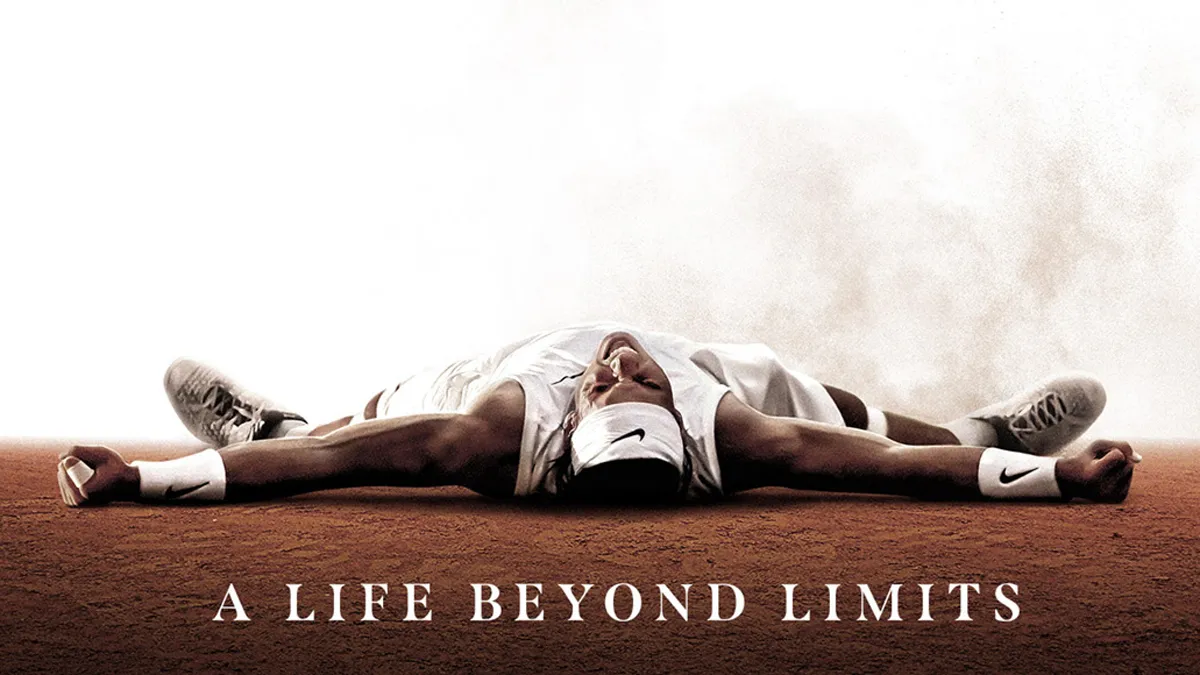 Rafa: The Documentary That Finally Shows Nadal Not as a Superhero, but as a Human BeingWhen sports icons make documentaries about themselves, audiences usually know exactly what to expect: archival victories, inspirational quotes, stories of overcoming adversity, and an obligatory triumphant ending.