Score: score unavailable
Участник
Участник
0.000.00
During the 2026 Australian Open, tournament director Craig Tiley hinted that major changes could be on the horizon. One of the most talked-about proposals was the possibility of introducing best-of-five-set matches in women's Grand Slam events.

Tiley suggested the format could be introduced from the quarterfinals onward, arguing that interest in the women's draw naturally increases as the tournament progresses and that longer matches could further elevate the biggest encounters. Other proposed changes included eliminating the traditional four-minute pre-match warm-up and scrapping lets on serves that clip the net cord. But it was the idea of women's five-set matches that sparked the biggest debate across the tennis world.
"The idea is simply to start a discussion," Tiley said, floating the proposal before stepping back to watch the reaction.
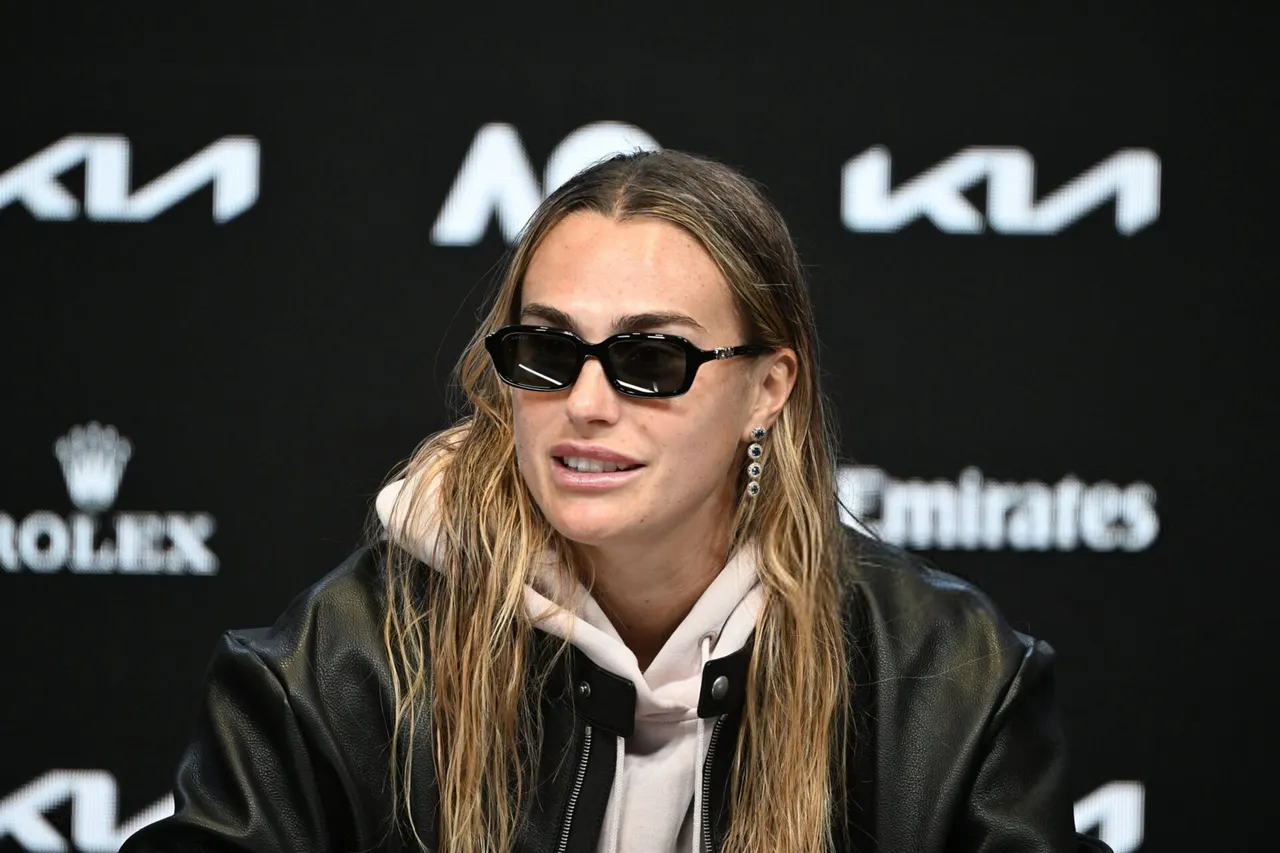
WTA players offered mixed responses. Some took the diplomatic route, saying they would simply adapt if the rules changed. Most, however, struggled to see the point.
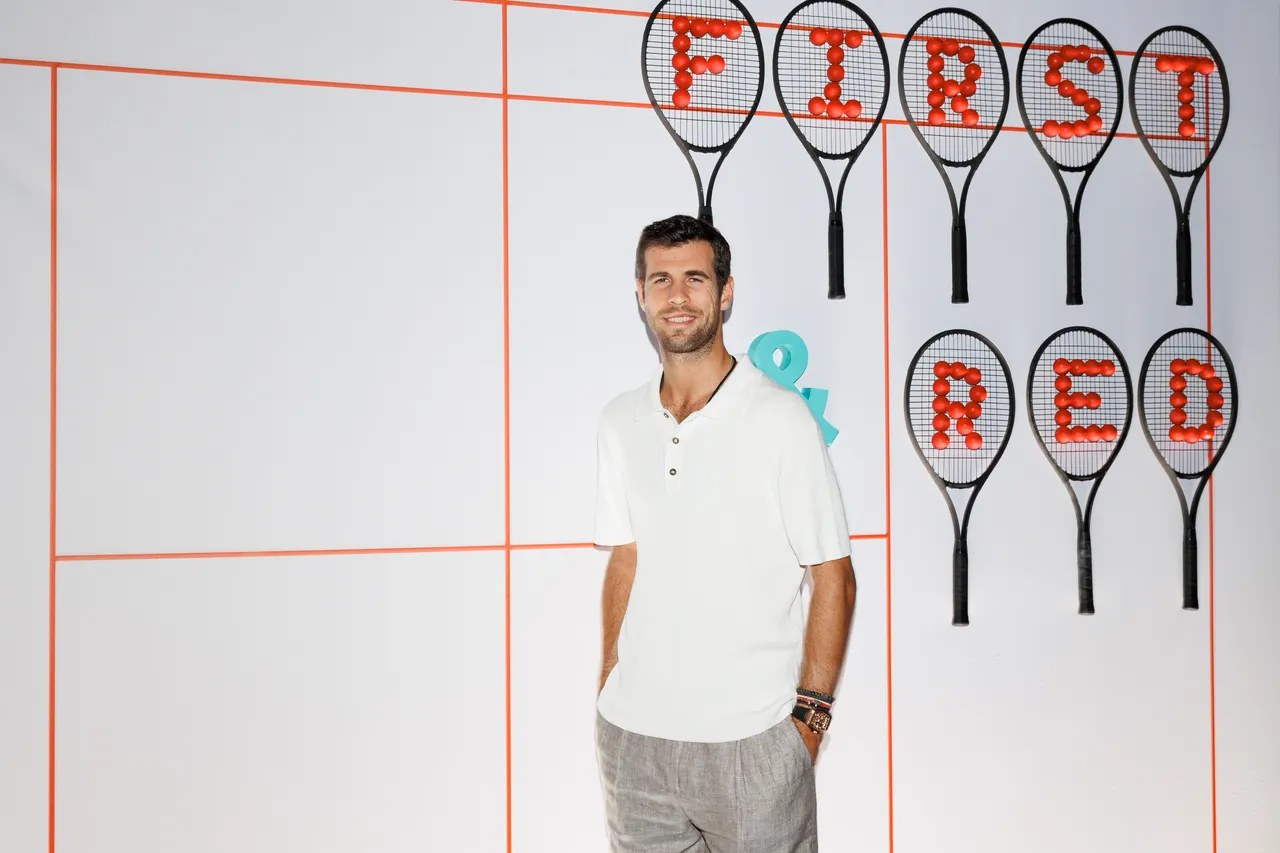
First&Red ambassador Aryna Sabalenka was asked about the possibility last summer.
"Physically, I'm probably one of the strongest players on tour. Maybe it would even benefit me. But I'm not ready to play five sets—that's simply too much for a woman's body. We're not built for that volume of tennis. I think it would only lead to more injuries."
Injuries are the first—and perhaps strongest—argument against the proposal. Women's physiology differs from men's in terms of strength, endurance, and recovery, and it's difficult to argue otherwise. Naturally, that raises another concern: over the course of a marathon match, the quality of tennis is likely to decline. Olympic champion Elena Dementieva shares that view.
"The standard of tennis would drop dramatically, and making matches longer wouldn't necessarily attract more attention. I'd much rather watch higher-quality tennis played at a consistently high intensity."
The hosts of the Hardcourt podcast found themselves on the same side of the debate. Olympic champion Yevgeny Kafelnikov also called the proposal excessive, pointing to the outstanding two-hour Australian Open final between Elena Rybakina and Aryna Sabalenka as proof that women's tennis doesn't need extra sets to produce great matches. Then there's the scheduling issue.
Tournament organizers already struggle to fit two matches into an evening session without finishing well past midnight. Now imagine scheduling two potential five-set battles—one men's, one women's. When exactly would play end?
"Everything would be pushed back even further, and that's already been a problem for years. Nobody wants to be playing until four in the morning. If this proposal moves forward, it'll raise even more questions. Why only from the quarterfinals? If you're going to play five sets, shouldn't the entire tournament use the same format?" said two-time Grand Slam champion Svetlana Kuznetsova.
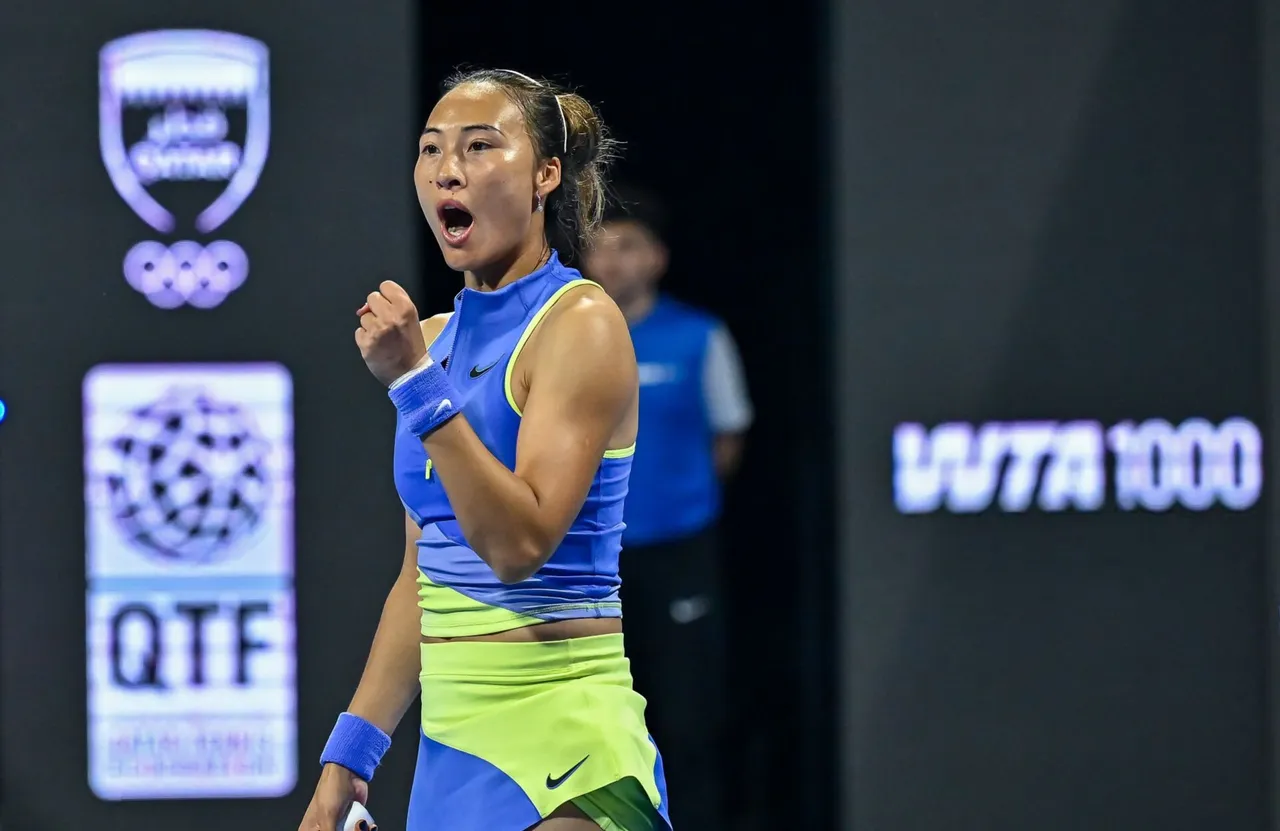
The only active player to openly welcome the idea was Olympic champion Zheng Qinwen, who recently returned from injury.
"I'm not afraid of playing five sets. I actually think it would suit me. I've always wanted to experience that format, so hopefully one day I'll get the chance."
Former world No. 1 Kim Clijsters agrees—but from a slightly different perspective.
"As a player, I would've loved it. The physical and mental challenge really appeals to me. It changes the way you think throughout a match. I'd love to see a women's Grand Slam final go to a fourth or even a fifth set."
Still, tennis exists in a world that's constantly moving toward shorter, faster, and more accessible entertainment. Six-hour matches appeal only to the most dedicated fans. And, with all due respect to the women's game, a five-set Sinner–Alcaraz blockbuster would inevitably attract a much larger audience than any women's five-set match.
Women's tennis isn't loved because of its duration. Fans appreciate it for its athleticism, power, intelligence, beauty, and unpredictability. The game itself has become significantly more physical over the past decade, with today's players spending far more time in the gym than their predecessors did 10 or 20 years ago. In many ways, the debate isn't entirely new. Women's best-of-five matches have existed before.
They were played at the US Championships around the turn of the 20th century and later featured in the WTA Finals for 14 consecutive years beginning in 1984. The last such match took place in 1998, when Martina Hingis defeated Lindsay Davenport in four sets at Madison Square Garden. Interestingly, every era of women's five-set tennis has been tied to the United States.
So perhaps Tiley isn't trying to reinvent the Australian Open after all. There has been growing speculation that 2026 will be his final year as Australian Open tournament director. Rumors linking him to a future role within the U.S. Tennis Association continue to circulate—and notably, Tiley himself has done little to dismiss them.
 International Padel returns to Moscow. What to watch, where it takes place and how to get to the tournamentThe most important tournament of the year.
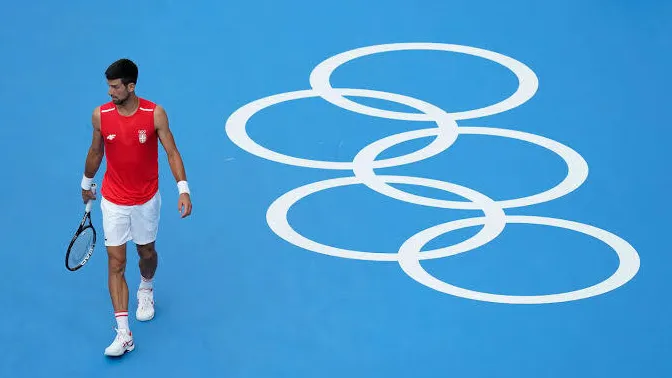 Olympics vs. Wimbledon: For the First Time, Tennis Stars May Have to ChooseThroughout tennis history, the Olympic Games have rarely competed with the Grand Slams.
 Rafa: The Documentary That Finally Shows Nadal Not as a Superhero, but as a Human BeingWhen sports icons make documentaries about themselves, audiences usually know exactly what to expect: archival victories, inspirational quotes, stories of overcoming adversity, and an obligatory triumphant ending.